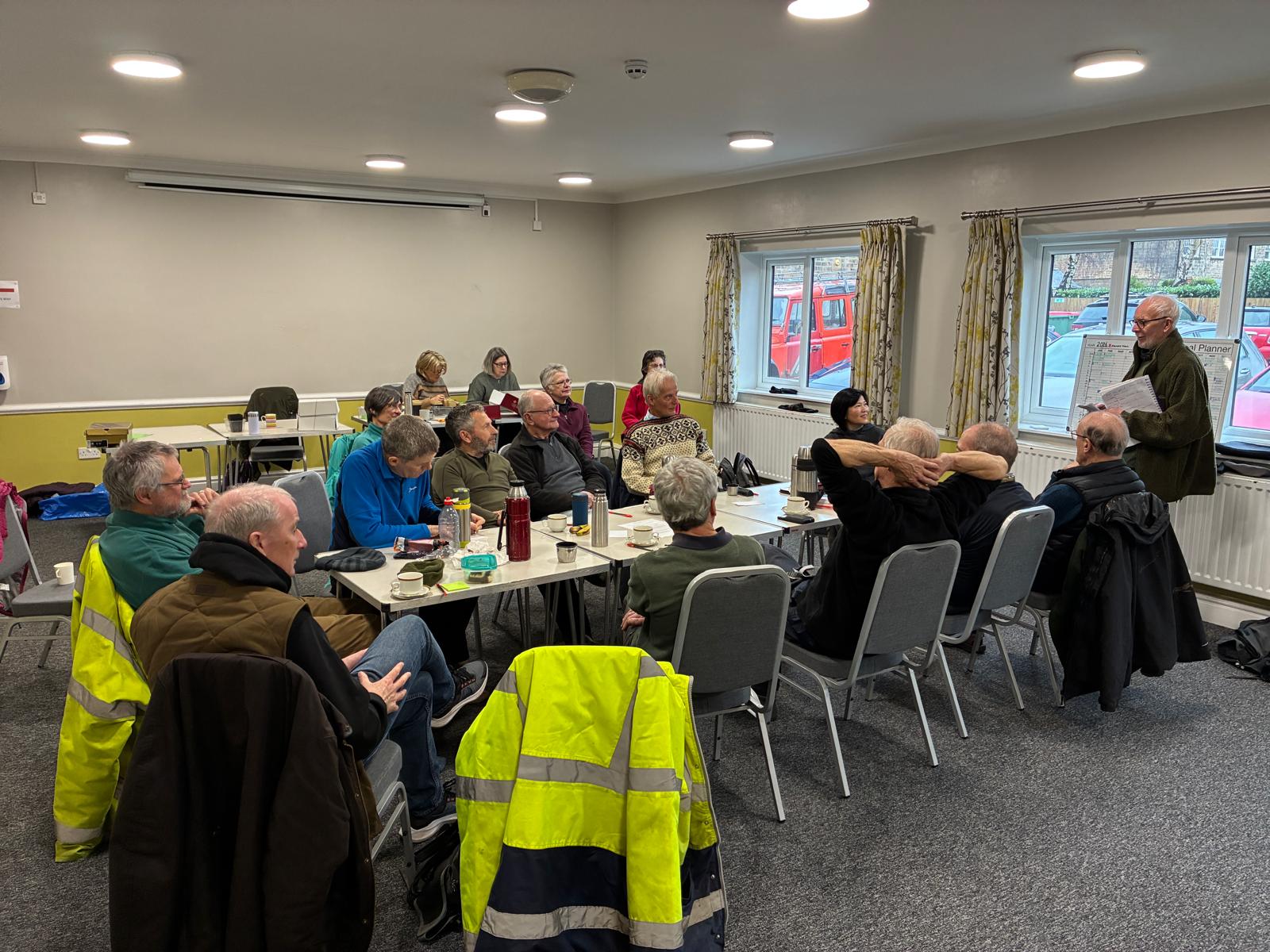
The Village Hall’s energy and carbon reduction project being discussed with EKWT volunteers. Plans are in progress for a collaborative event for the village showcasing the work being done by EKWT and the Village Hall.
The Village Hall’s energy and carbon reduction project being discussed with EKWT volunteers. Plans are in progress for a collaborative event for the village showcasing the work being done by EKWT and the Village Hall.
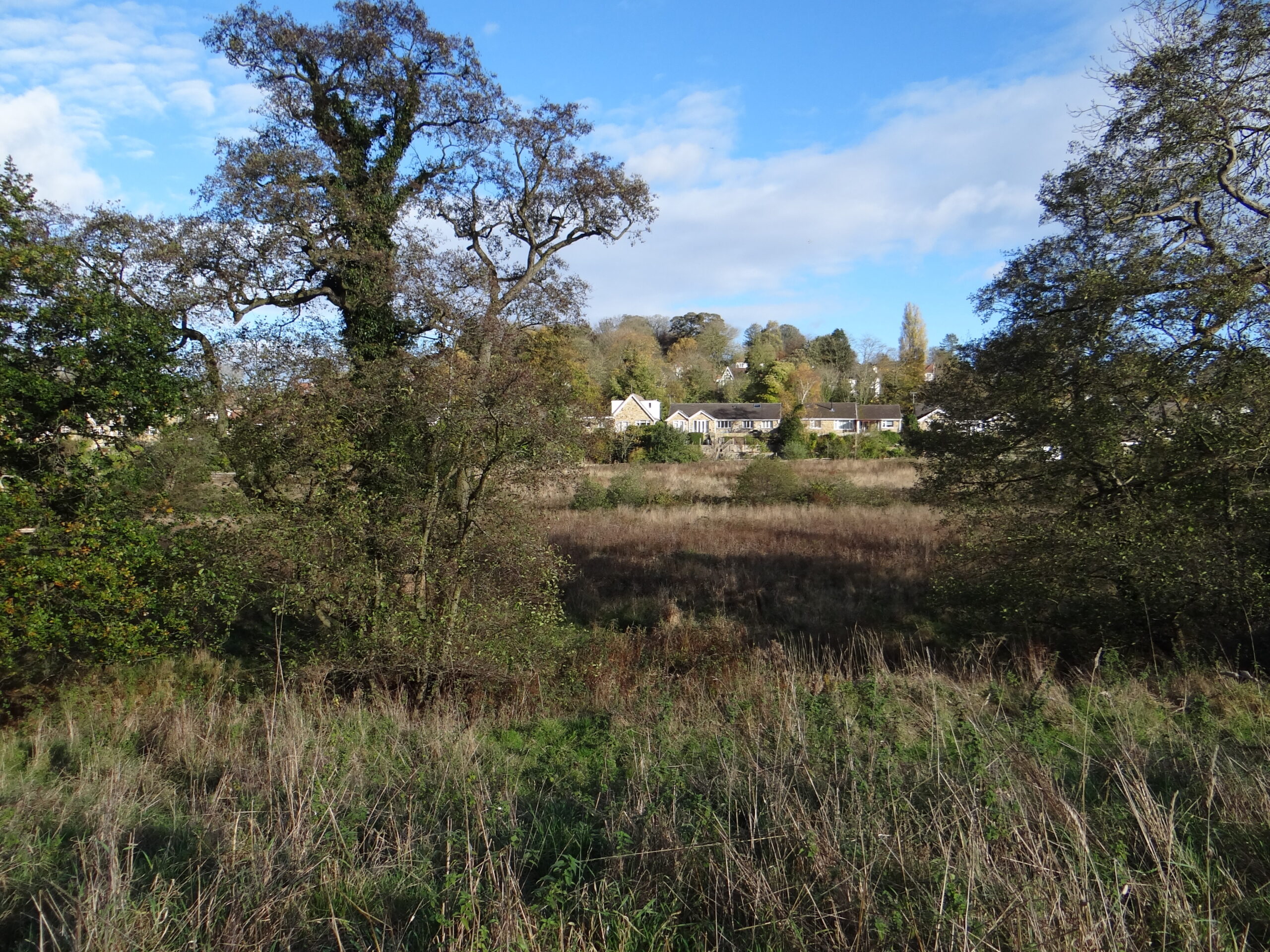
We welcomed over 50 people to Bardsey Fields at the beginning of July to see the work that we have been doing, learn about the wildlife there and take part in craft activities. Permitted access is now available through the two gates at the corners of the top field next to the road. A path has been cut between these two gates and then all the way around the top field. We had guided walks around here and were able to explain that in time, our management will result in the top fields developing into wood pasture. This will be characterised by open-grown, often old trees in a grazed environment, creating a rich mosaic of habitats including grassland, fen and scrub. There will be open views across to the fen below. The fen is home to many uncommon plants and butterflies and recently fawns have been seen there and a kingfisher nesting.
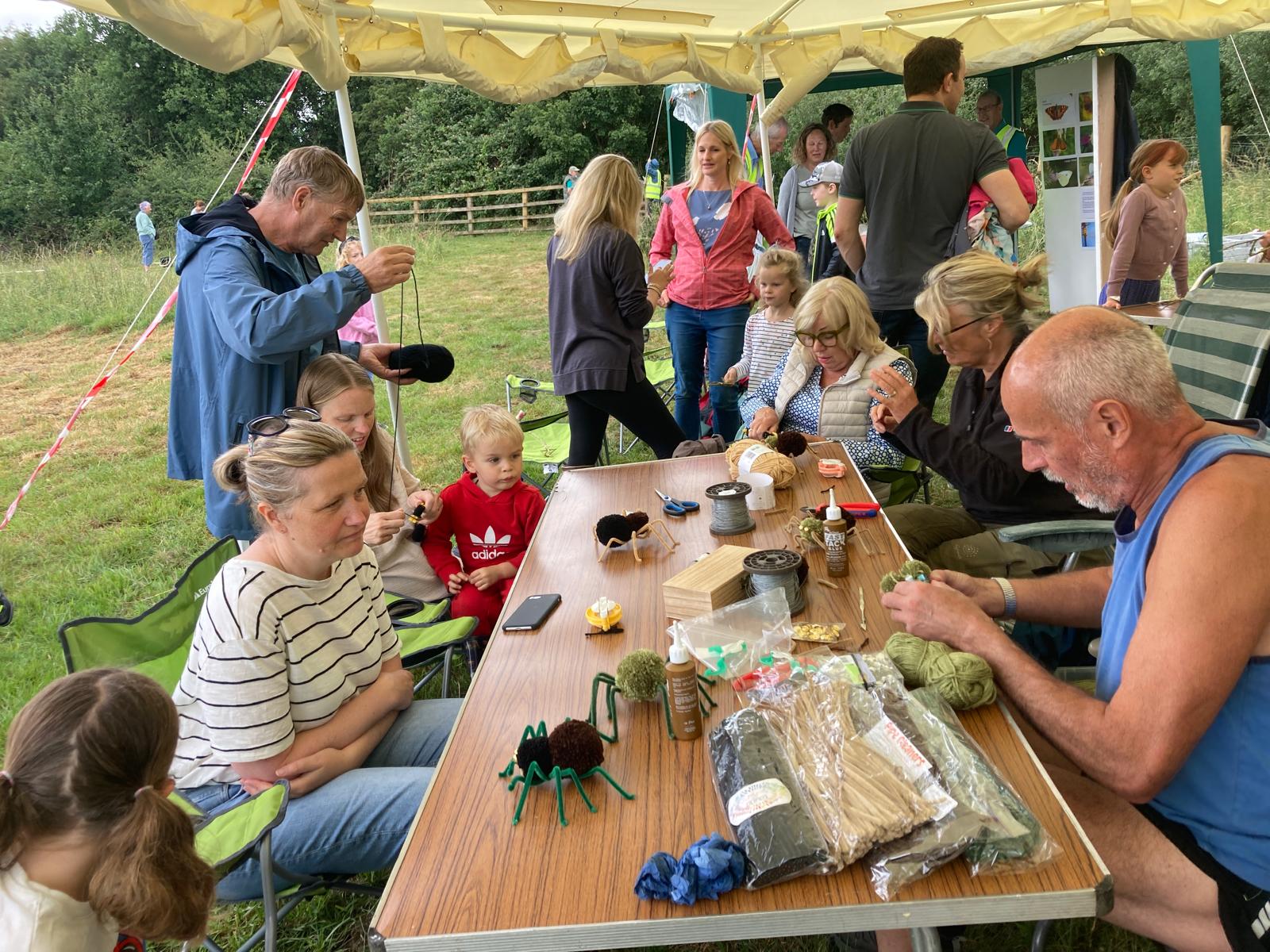
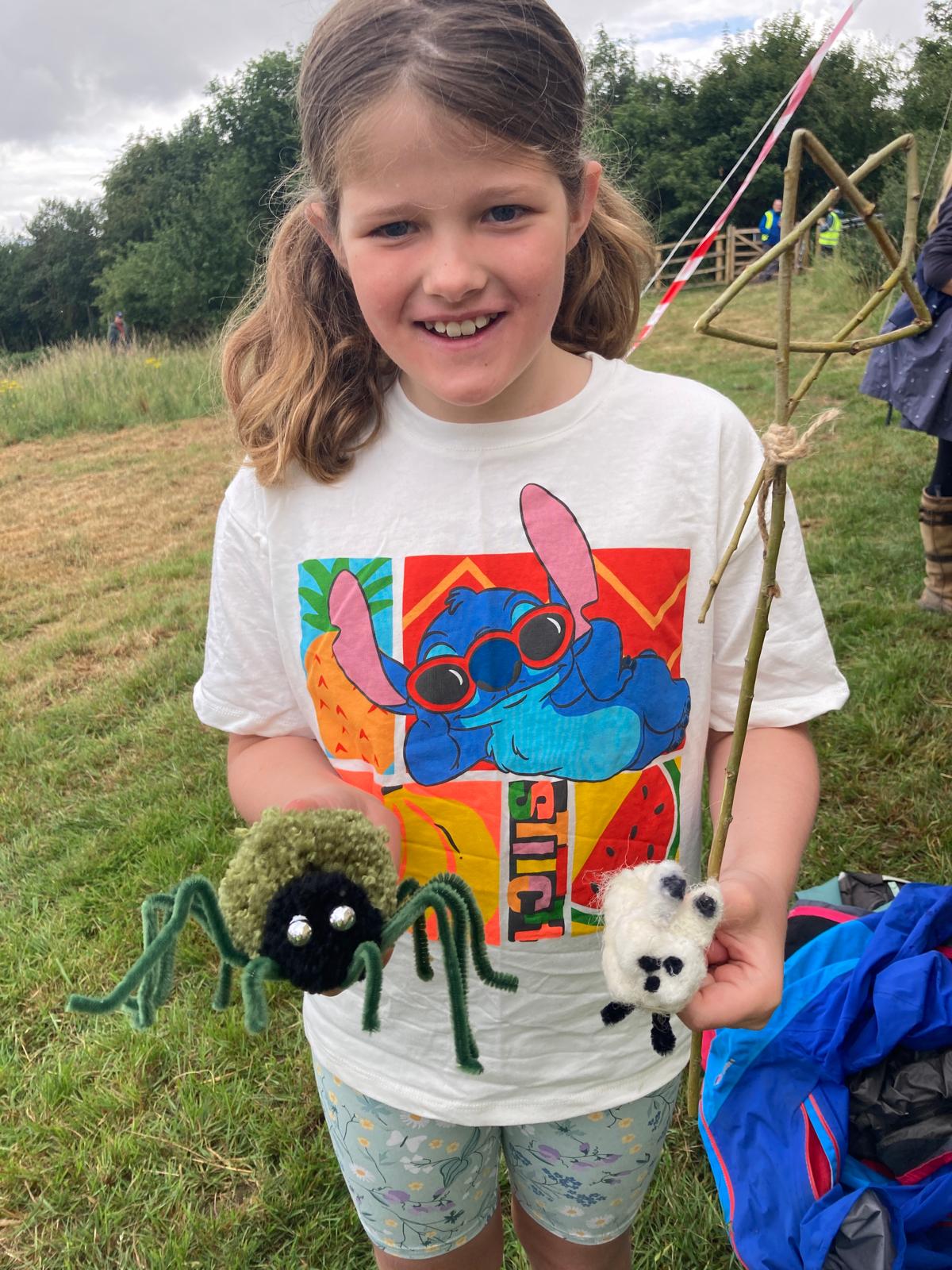
Craft activities on the day included willow wishing wands, spiders and felting sheep. Emma demonstrated how to ‘slow the flow’ with guttering and tennis balls. This is because we have broken two pipes under the field into the beck and brought the water to the surface in the field. The water will then filter through a series of dams to slow the flow of water and help prevent flooding downstream in Bardsey and Collingham. Paul had set a moth trap and had a number of interesting species to observe, including elephant hawkmoths.
We have the Dexter cows on site and there will be 2 in Bardsey Fields all summer. The grass is thick and dense and the cows on site are having a real impact on removing this, which will allow wild flowers to bloom in the summer. When you visit, please remember to close the gate behind you so they don’t escape!
The Trustees of East Keswick Wildlife Trust have made the decision not to allow dogs on the site. This is for a number of reasons but primarily: there will be cows in the fields all year round; the resident wildlife such as deer, foxes, badgers and small mammals will be disturbed as well as ground nesting birds such as meadow pipit, willow warbler, chiffchaff, dunnock, blackbird and skylark.
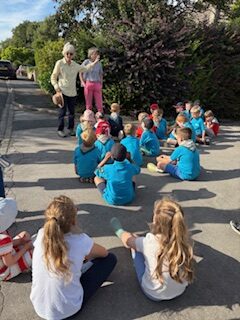
In July a group of Cubs and Squirrels came to visit the Ellikers nature reserve. Melanie explained about the yellow fish campaign and ‘only rain down the drain’. We then had a walk all around the reserve. It was a lovely evening and so there were a number of butterflies to observe, along with the wild flowers.
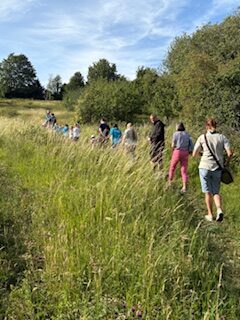
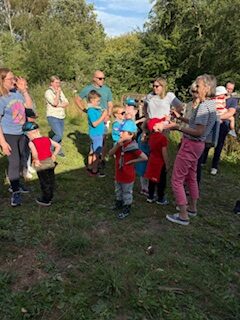
This year our summer family event is at our new reserve, Bardsey Fields – opposite Bardsey Primary School. The event will run from 11- 2pm, so please bring a picnic. There will be guided walks around the reserve, crafts – including making spiders and willow wands, storytelling and more. It will be great to welcome you to hear our plans for the future of the reserve.
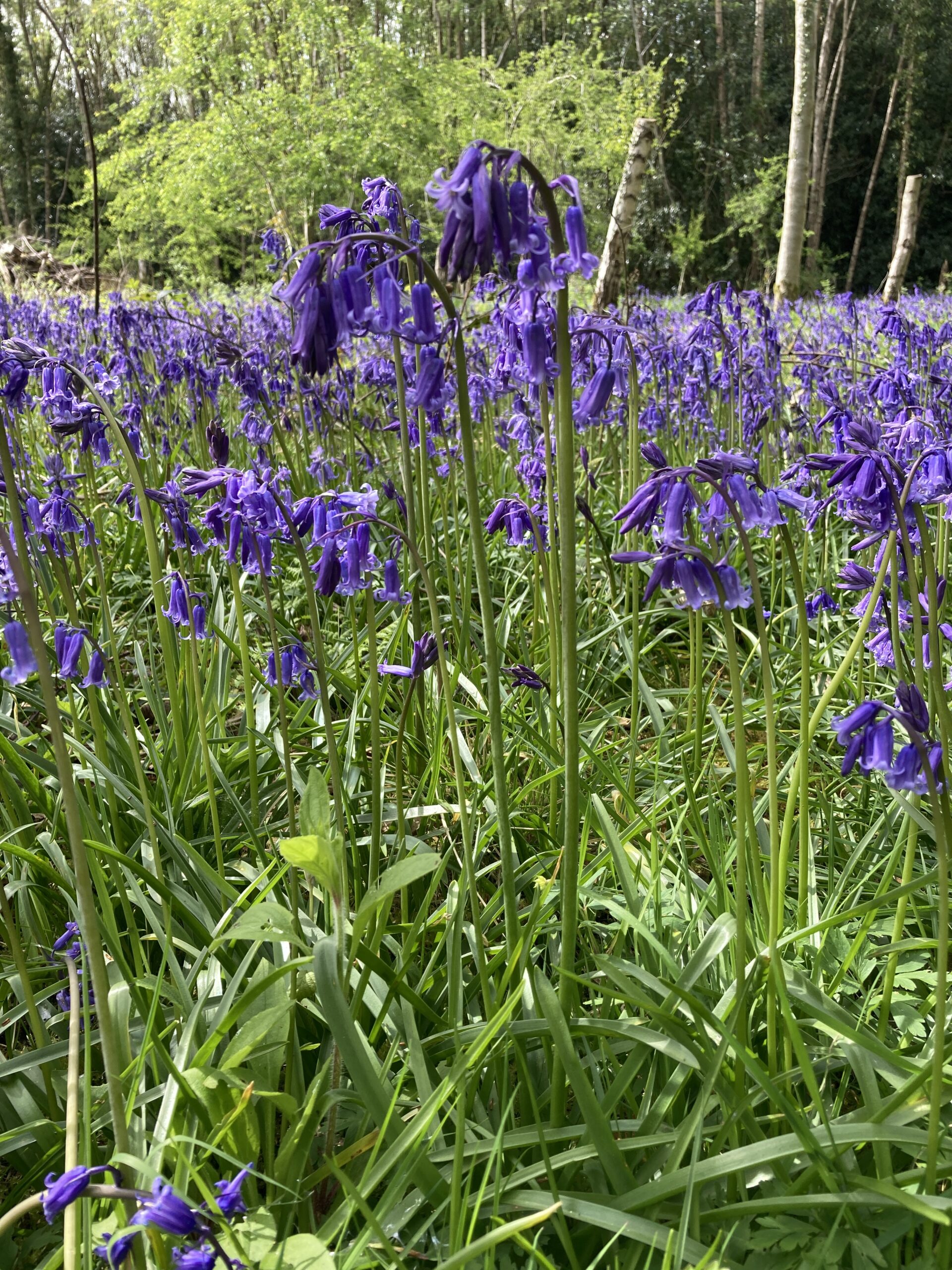
Come and enjoy the annual bluebell spectacular in Ox Close Wood. We will be meeting at Crabtree Lane car park at 7pm, everyone welcome.
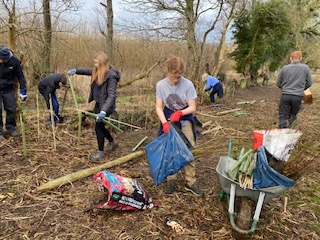
In March we had a great session with Year 3 from Bardsey Primary Academy. They came over the road from the school to get involved.
We talked to them about how water travels through the landscape and demonstrated how it travels much faster in pipes or across hard surfaces than across more natural ground. We did this using some plastic guttering laid across the field and we ran lots of balls down the gutter. They travelled quickly down the slope, a bit like water in a pipe. Alongside this, another group of children dropped the balls onto the field. These slowly ran down the hill and stopped before getting as far as the end of the gutter. A great demonstration of how if we take water out of pipes and enable it to filter slowly across the land surface then it slows it down and reduces flooding issues further down the catchment!
This is exactly what we have been doing in conjunction with Yorkshire Water and the Yorkshire Dales Wildlife Trust recently! We’ve dug into the pipes that took water directly from the school roofs and under the field into the beck at the bottom. When it rained these pipes were flowing fast. Now the water will flow down the field more slowly. Some will soak in and evaporate and it will create some wetter areas on the field for different habitats. You might also have seen our wooden leaky barriers – the idea is that when it’s raining very hard these will trap and slow down the water going across the field, further slowing it down. The children were very impressed!
They then got stuck in and planted some trees. A whole host of species. These will create great habitat and also soak up more water! They learnt about the different animals that might eat young trees, like mice, rabbits and deer, and that’s why we need to use fences and tree guards for the first few years while they establish. The children were excited at the prospect of coming back with their families and see their patch of woodland growing!
Emma Wren

We will be meeting at Bardsey school car park at 10.00am on Saturday 1st March for a community hedge and tree planting session. This is an ideal activity for adults and children alike, so please do join us if you can – families are very welcome.
Please bring a spade and gloves if possible. The site is likely to be muddy and uneven, so make sure that you are wearing appropriate footwear.
This activity is subject to weather conditions, so please keep an eye on the website or Facebook page for any updates closer to the time.
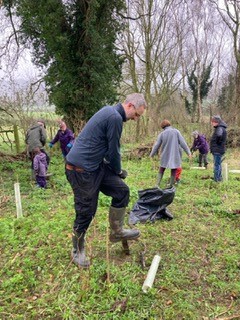
We will be meeting at Bardsey School car park at 10.00am on Sunday 19th January. Please wear suitable clothing and footwear and if possible bring a spade.
All ages are welcome.
This event is subject to ground preparation and weather conditions, so please check Facebook and the website for any updates nearer the time.
Many thanks to Ann, Robert and some of their colleagues from the Yorkshire Mammal Group who came to Bardsey Fields last weekend to carry out small mammal trapping. This work will give us a baseline for the species of small mammals living there. We laid 50 humane mammal traps on Saturday afternoon, ensuring that any mammals caught had a cosy bed and plenty of food. We then returned on Sunday morning to empty the traps, record and weigh the mammals and then release them safely.
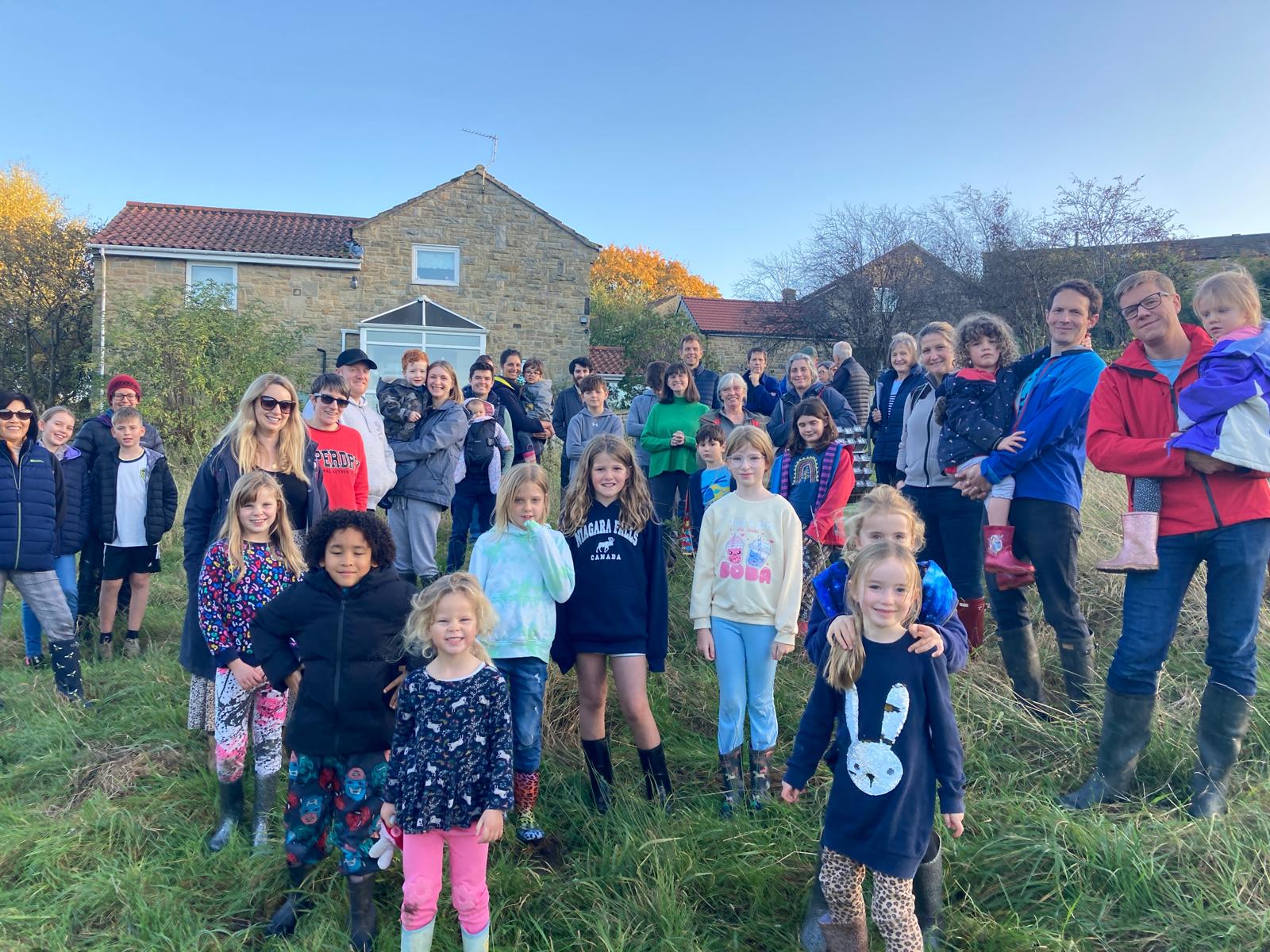
44 people came to set the traps and 50 came to see what had been caught. This was phenomenal as the weather on Sunday morning was very cold and wet!
The children had a great time and were so excited to see whether the traps were closed and what would be inside.
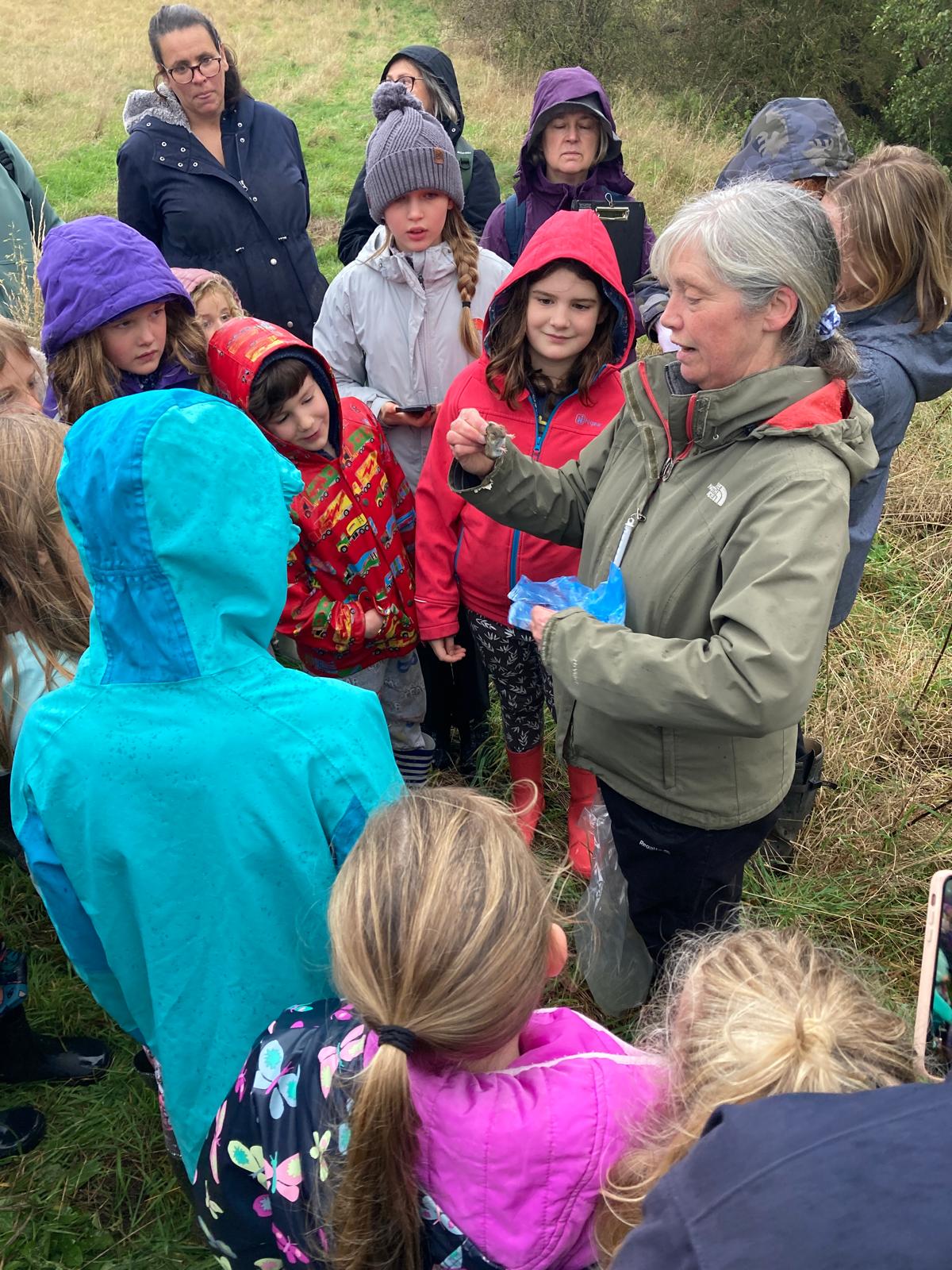
The results of the survey were: 20 woodmice, 6 bank voles and 1 common shrew. This compares with 18 woodmice, 1 bank vole, 1 field vole and 1 common shrew in last years survey.