Upcoming Events

Hedge Planting in the Marsh

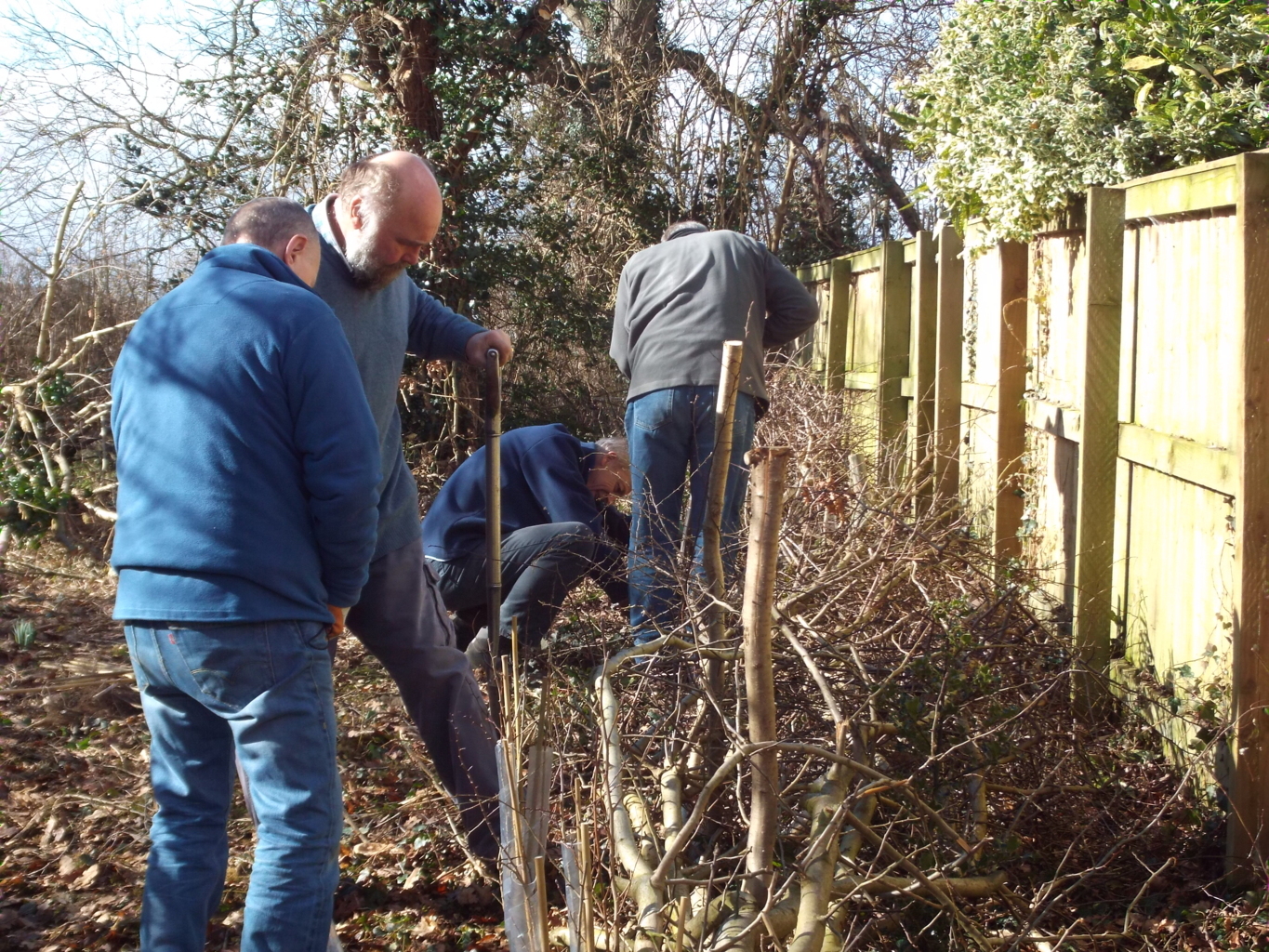
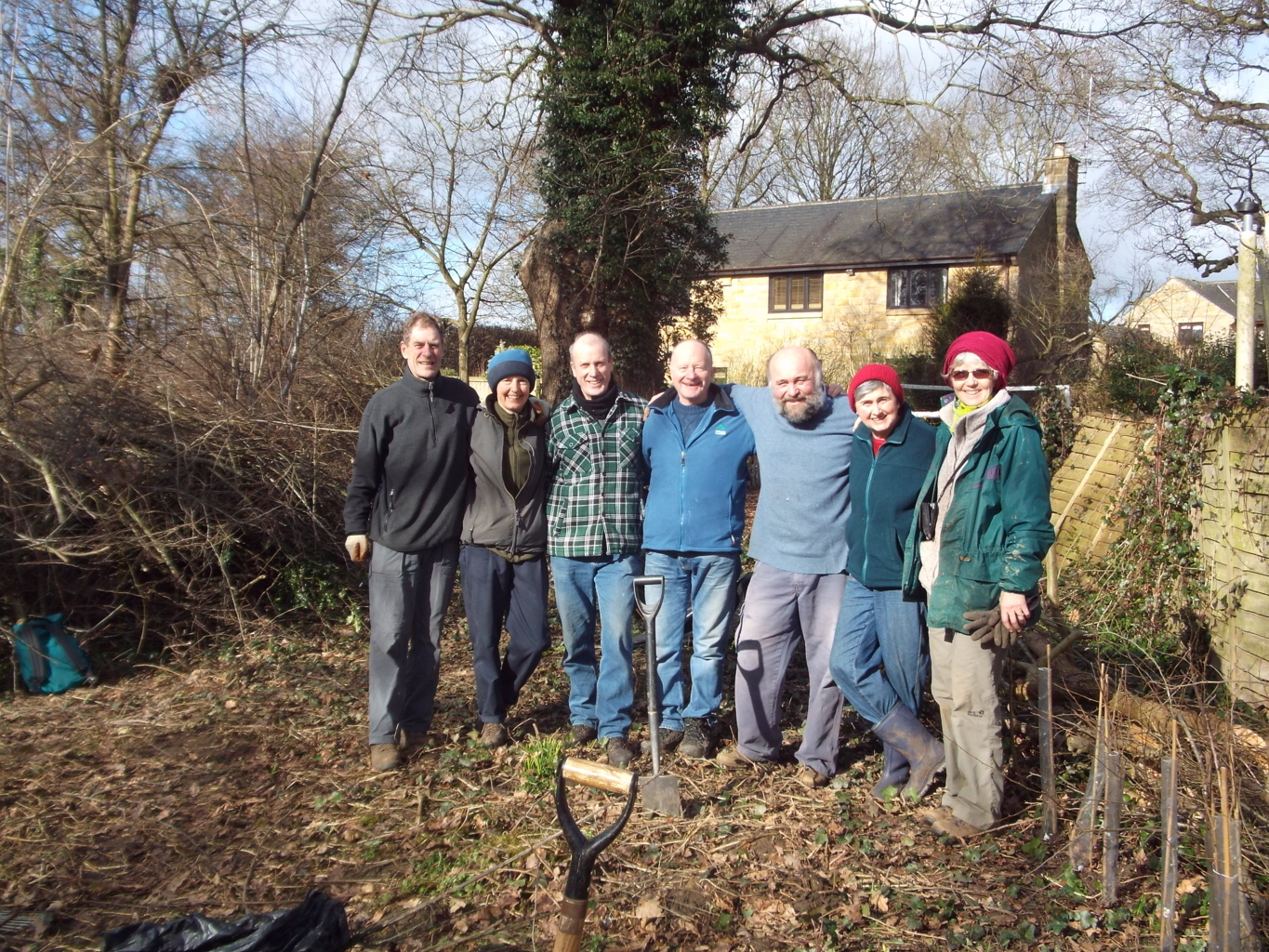
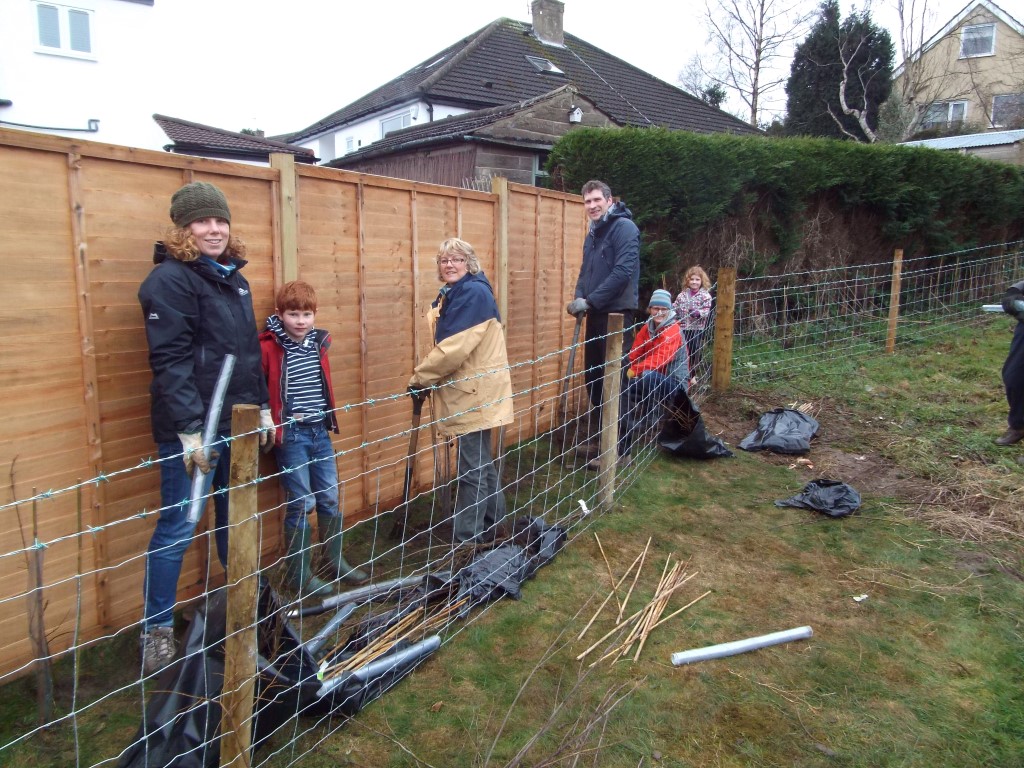
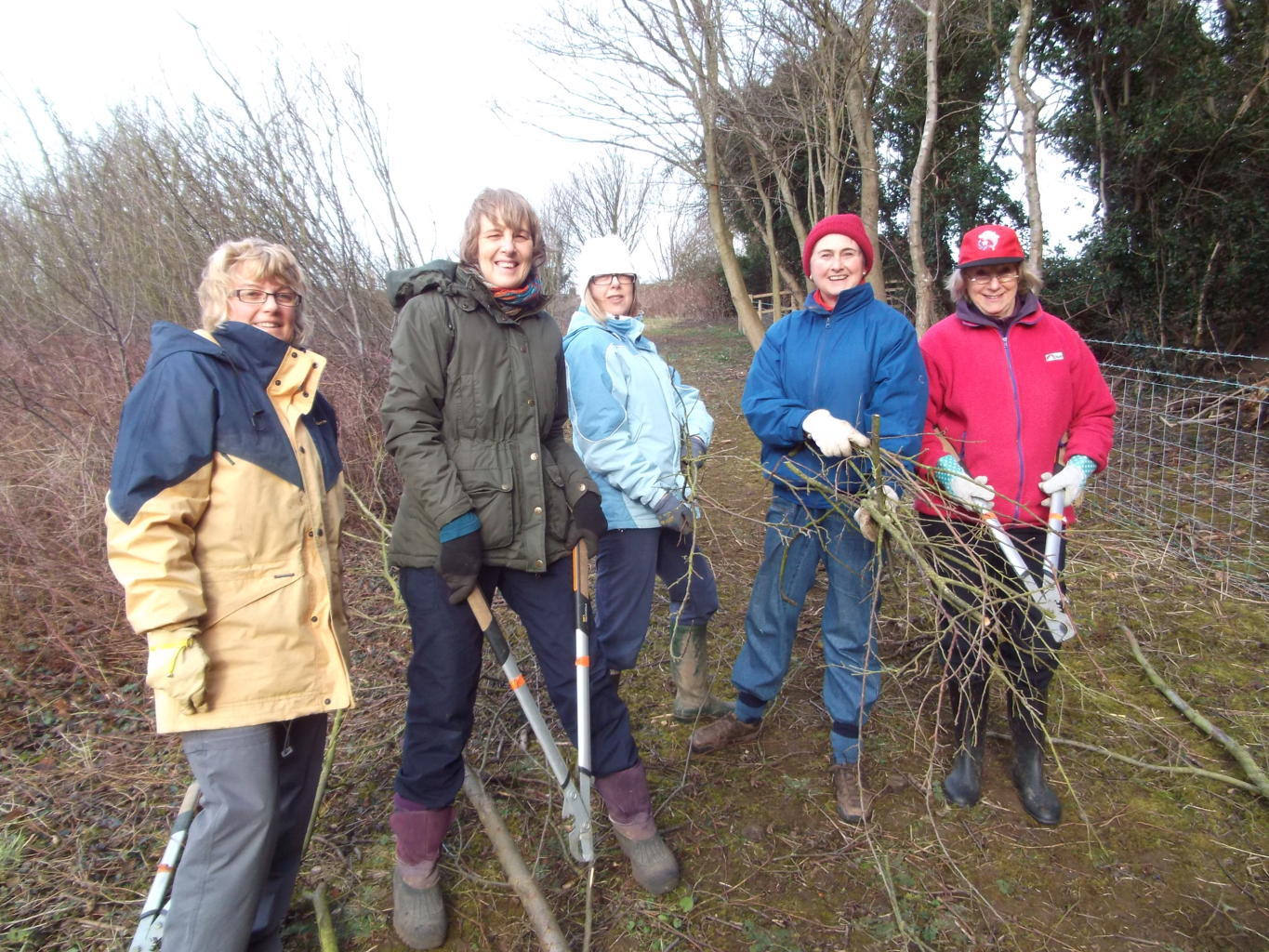
On 27th February, our Friday volunteers enjoyed a sunny day to finish hedge planting along one of the Keswick Marsh boundaries. The hedge is 70 to 80% Hawthorn with the remainder made up of six or seven other hedging plant species such as Hazel, Spindle, Holly, Blackthorn and Buckthorn. Since the hedge in the Marsh, hedging in Elliker Field has been completed.

Hedge planting

Hedge planting

Enjoying the fruits of our labour

Enjoying the fruits of our labour


Winter bird survey

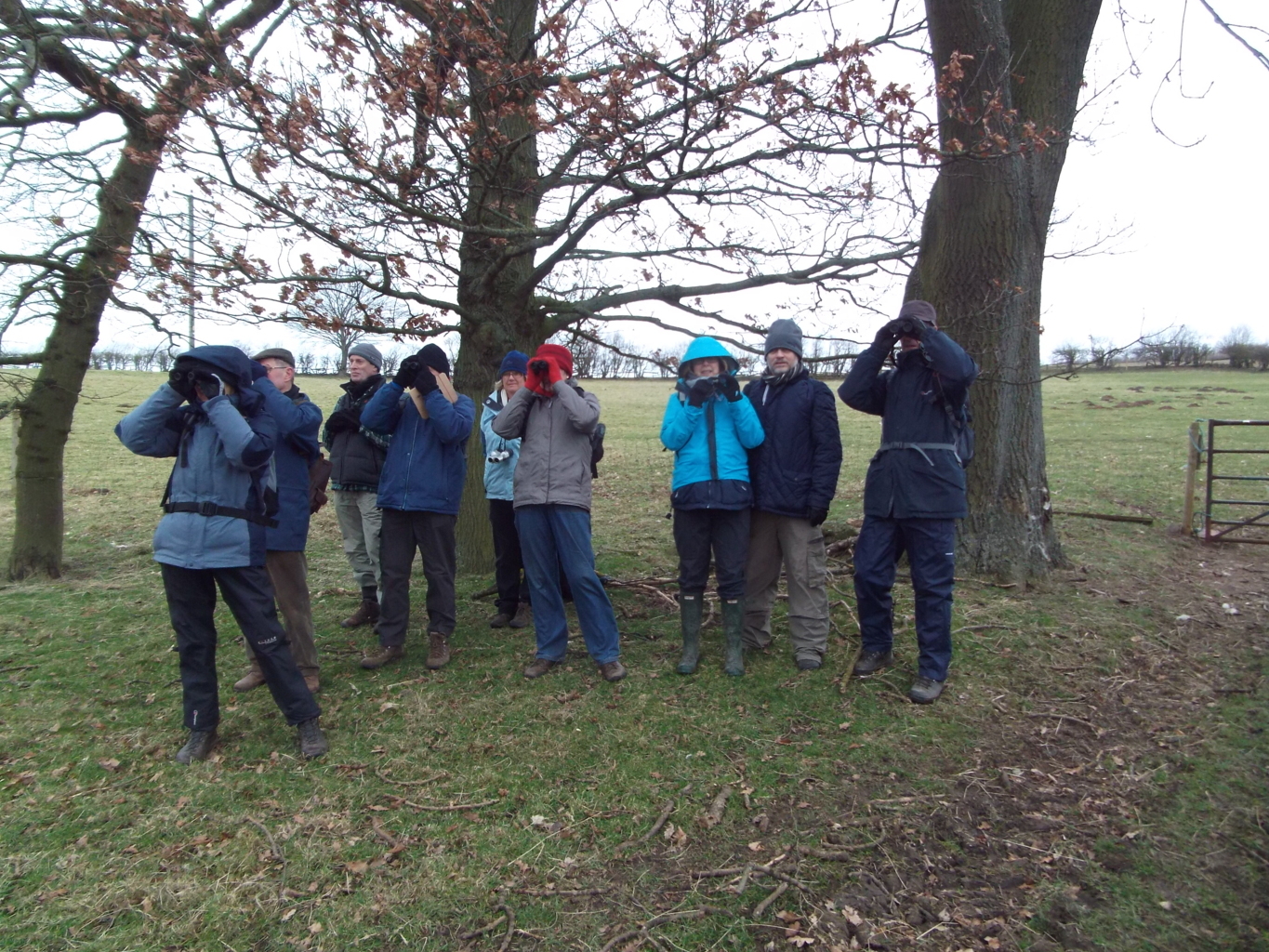
The Trust had the first of its twice-yearly bird surveys on 22nd February. As well as surveying the birds that over-winter in the parish there is another walk round the parish during the summer to survey birds that breed locally. This survey is not yet planned…. keep an eye on “Upcoming Events”.

Trust members watching Grey-lag Geese at a local pond.

Trust members watching Grey-lag Geese at a local pond.

The weather was blustery, cool and initially dry. Setting off from the Church on Moor Lane at 10.00am, we were able to walk round most of the parish before it started to rain in the early afternoon so we decided to forego the pleasure of surveying Ox Close wood where, no doubt, we would have added to our list.

The total number of species seen on the day was a respectable 47 (there are many more bird species locally but we record only those we see on the day). This included up to 400 Black Headed Gulls in a stubble field near Eask Keswick Beck and 60 to 70 Meadow Pipits plus half a dozen Linnets an arable field to the side of Moor Lane.

Elliker Field is finally completed

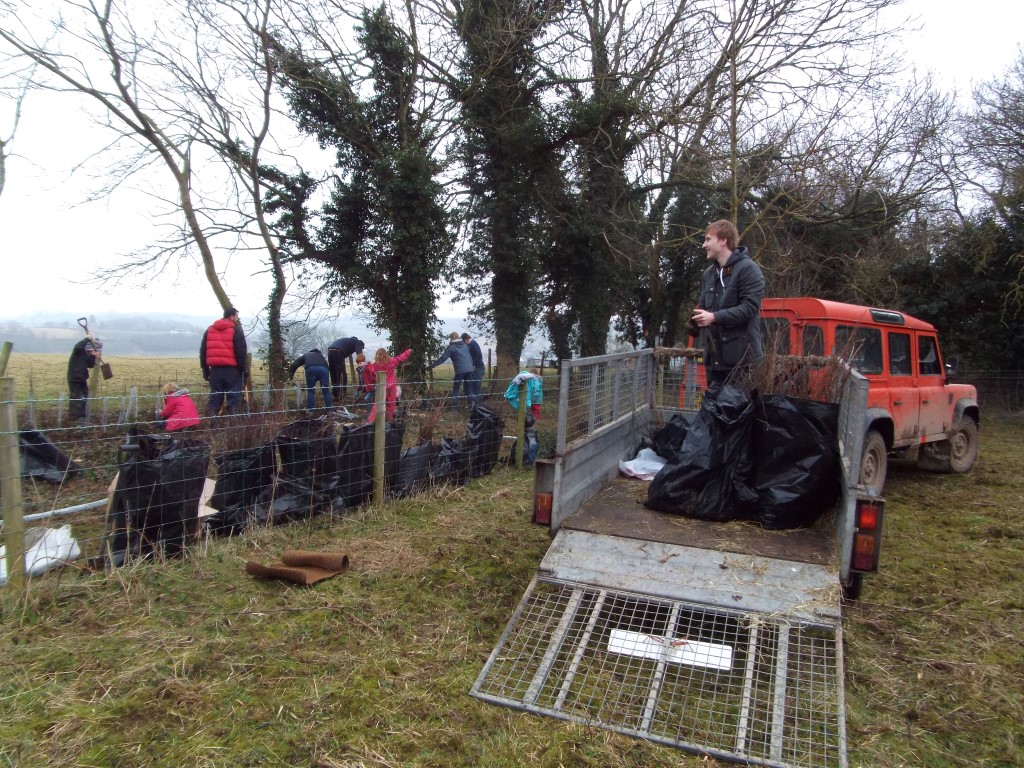
After delays in obtaining grants and installing the fencing, on Saturday 14th Feb 2015, twenty eight young and old attended the family work party to complete the fencing and hedging in Elliker field so that the field can finally be stocked with cows and sheep.
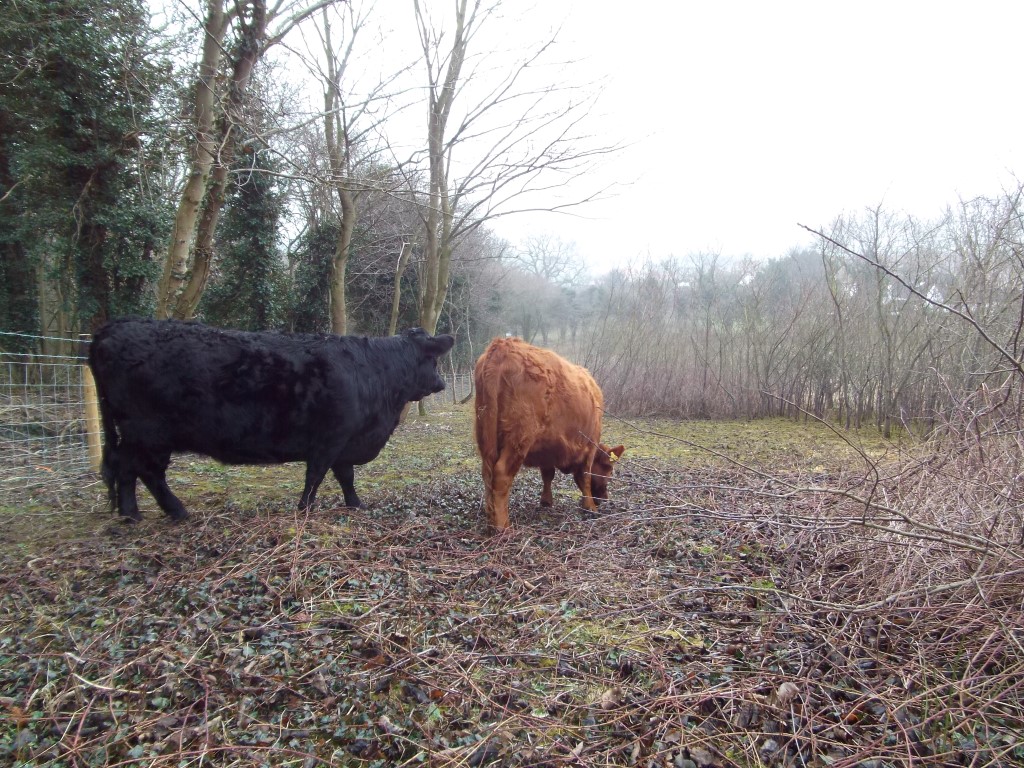
These animals will do their job of “conservation grazing” which is beneficial to many wild flowers, invertebrates and ground nesting birds by eating last year’s thick grassy sward.
Planting saplings in Elliker field

Planting saplings in Elliker field

Dexter cows in Elliker field

Dexter cows in Elliker field

The animals will stay on the reserve untill late March when the Spring flowers start to appear.

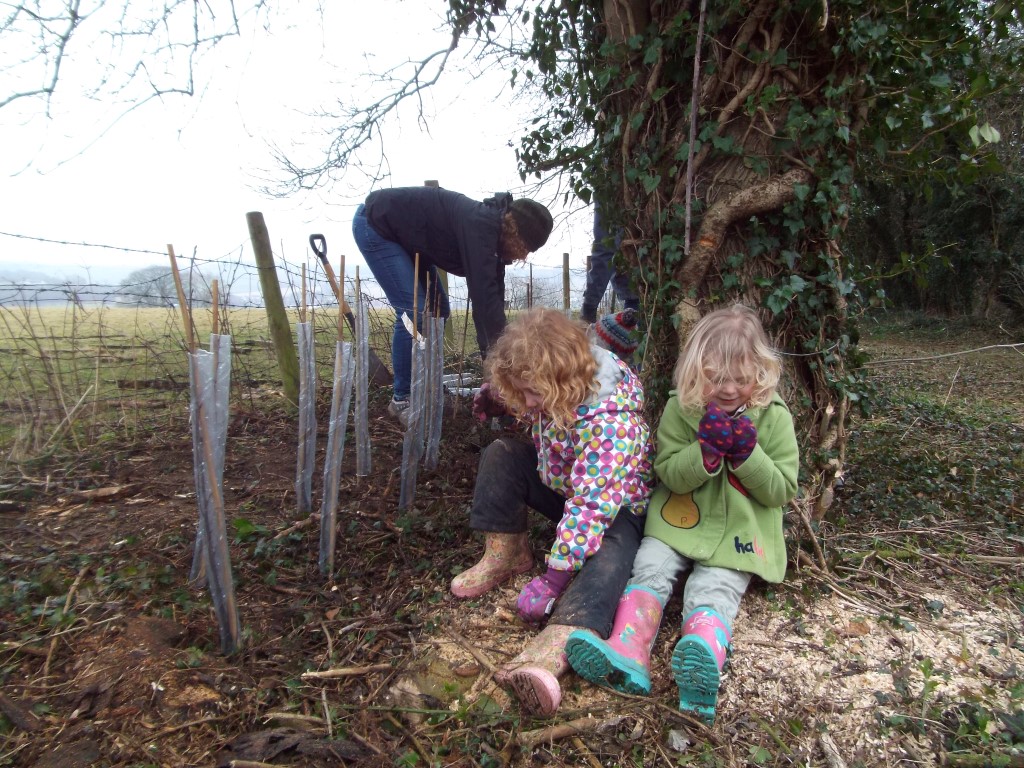
Enthusiasm was not in short supply…. Frank Shire’s field was similarly treated by the youngsters planting a new hedge along the north-eastern edge of this reserve.

Hedge planting in Frank Shire's

Hedge planting in Frank Shire’s

A well earned rest!

A well earned rest!

Further information can be obtained at…                  http://www.grazinganimalsproject.org.uk/what_is_conservation_grazing.html

Coppicing in Ox Close

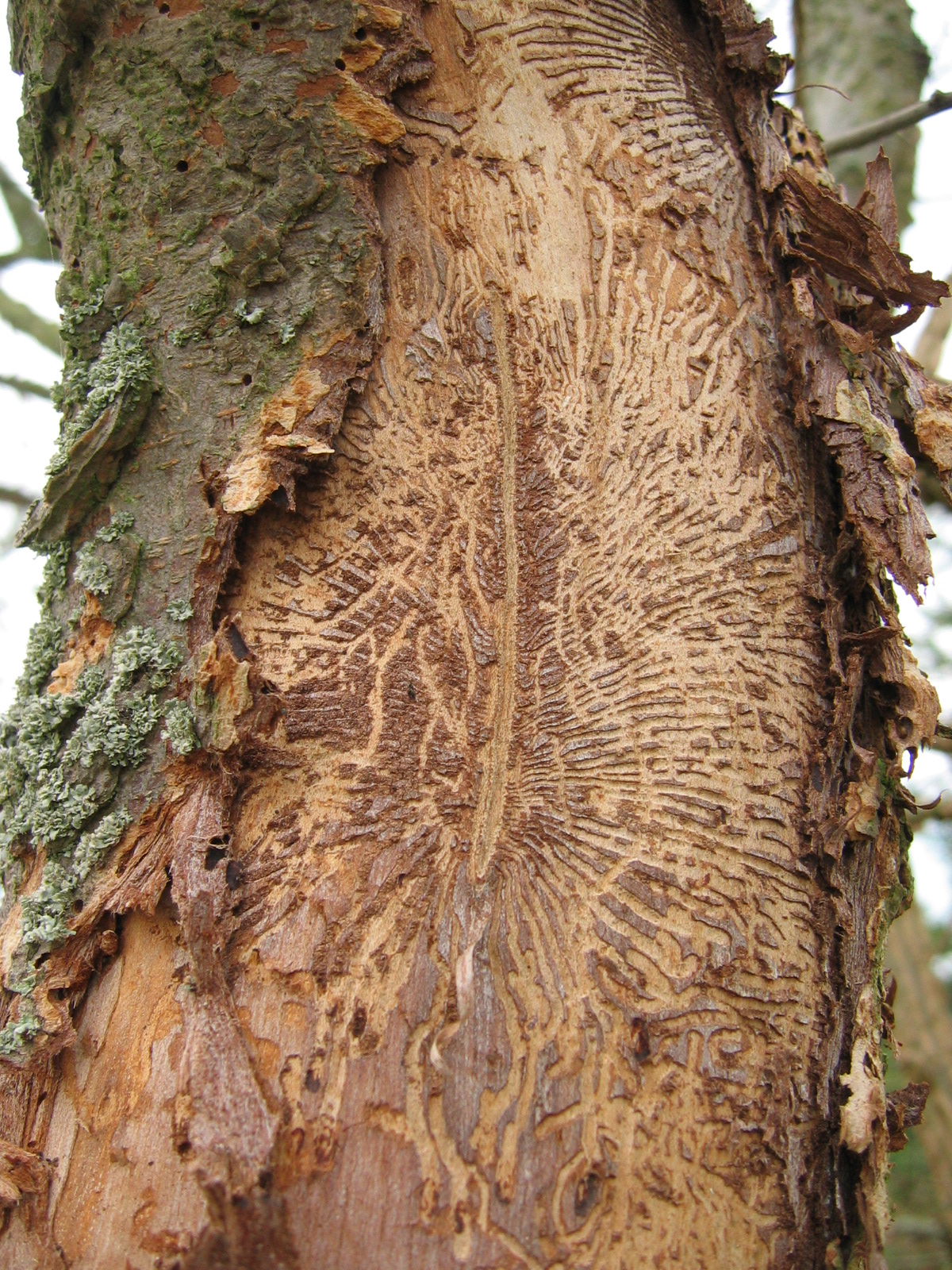
Feeding tunnels under the bark of a dead Elm made by the Elm Bark Scolytus beetle

Feeding tunnels under the bark of a dead Elm made by the Elm Bark Scolytus beetle

Half of Ox Close Wood was clear felled prior to its acquisition by the Trust in 1992.
Much of the natural regeneration has been by Elm trees. These trees are now of an age where they are becoming susceptible to Dutch Elm Disease which is a fungus carried by the Elm Bark Beetle. Evidence of the beetle, in the form of their larval feeding galleries, can readily be found under the bark of dead Elms.
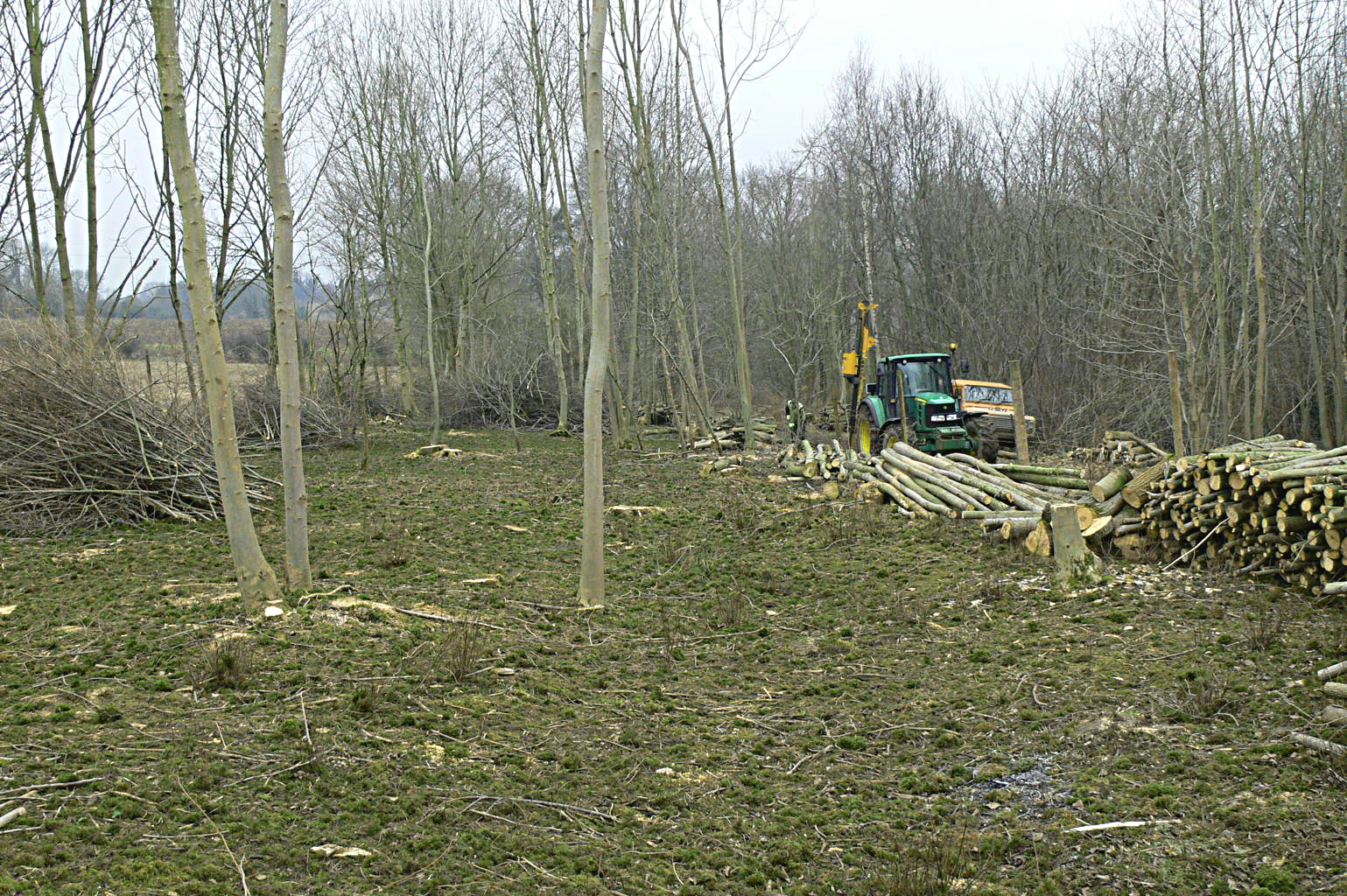
A walk round the wood now reveals that many of the Elm trees are beginning to show signs of the disease in the form of dead and dying leaves and branches. In order to combat the disease, this winter, in the South West corner of the wood, the Trust has been coppicing many of the elms including some that seem healthy to prevent the disease from killing the trees. Trees alongside footpaths will also be felled to remove any danger from falling branches. Coppicing in this way extends the life of trees and further benefits wild flowers and insects by opening up the canopy allowing sunlight to reach the ground.

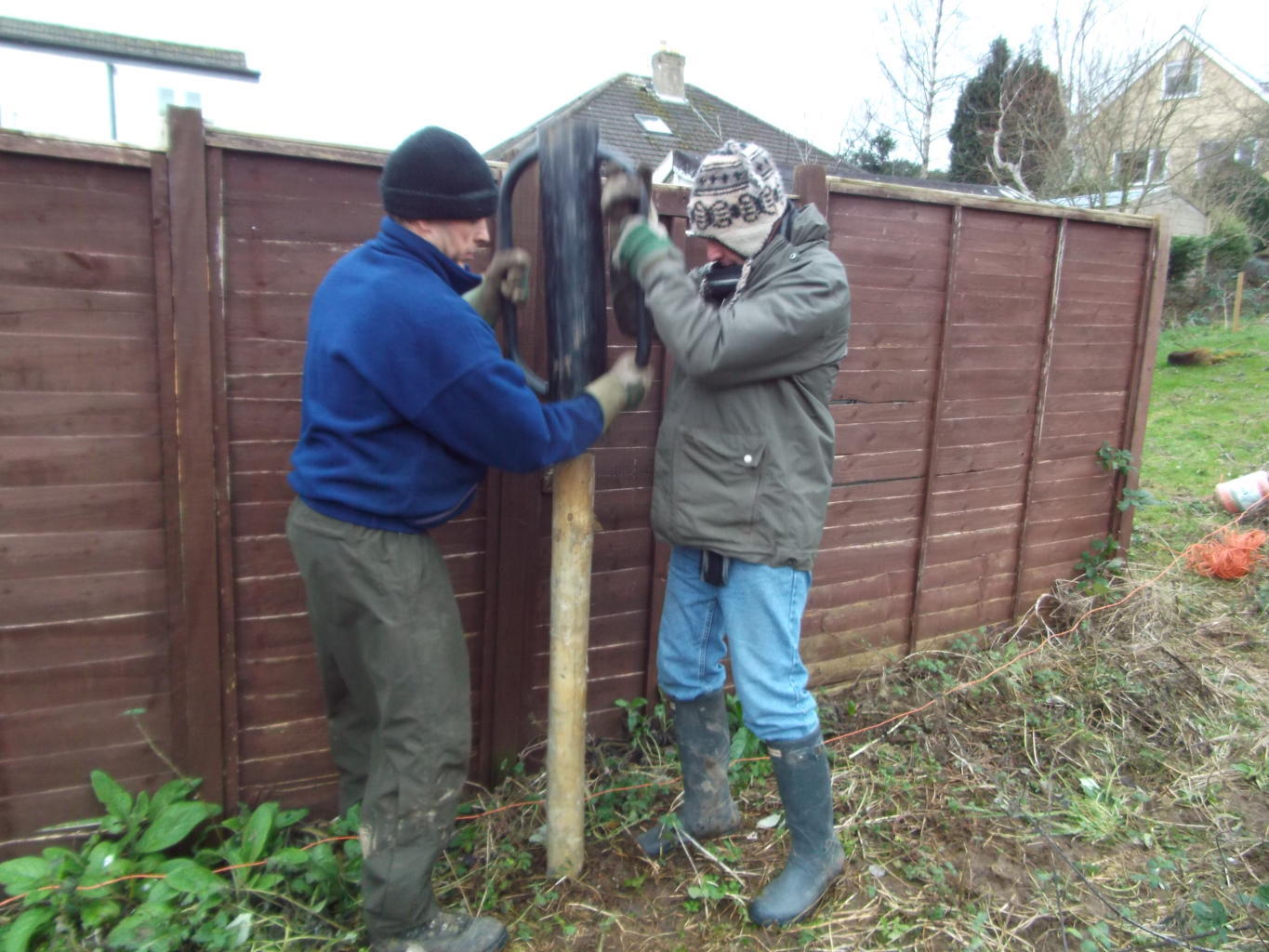
The area will be surrounded by a tall deer fence to prevent deer from eating the tasty young shoots that will grow from the coppiced stools.

Part of the coppiced area in Ox Close with the posts for deer fencing being knocked into the ground

Part of the coppiced area in Ox Close with posts for the deer fence being knocked into the ground.

The Elm is important locally as it is the foodplant of the White-letter Hairstreak butterfly which is an uncommon butterfly ranked 24th most widespread of Yorkshire’s 36 breeding butterfly species. Ox Close has a healthy population of this butterfly which is seen flying around the tops of the trees during July.

Successful Mammal Trapping

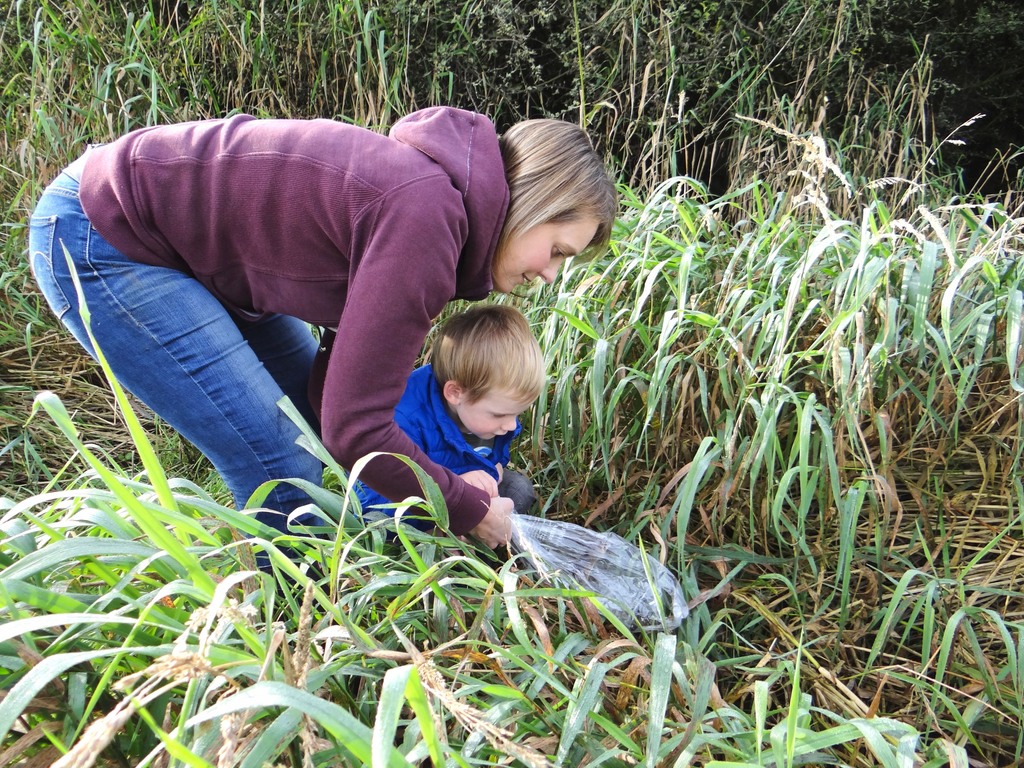
Over the weekend of the 3rd, 4th and 5th October the Trust hosted a small-mammal trapping session by the Yorkshire Mammal Group. As with last October’s weekend, the target species were Water Shrew and Harvest Mouse. 50 traps were laid during each evening of the 3rd and 4th October in grassy areas alongside East Keswick Beck upstream of the East Keswick Marsh. All the traps were checked on the mornings of 4th and 5th October and although neither of the target species was trapped the total number of mammals caught was surprisingly good.

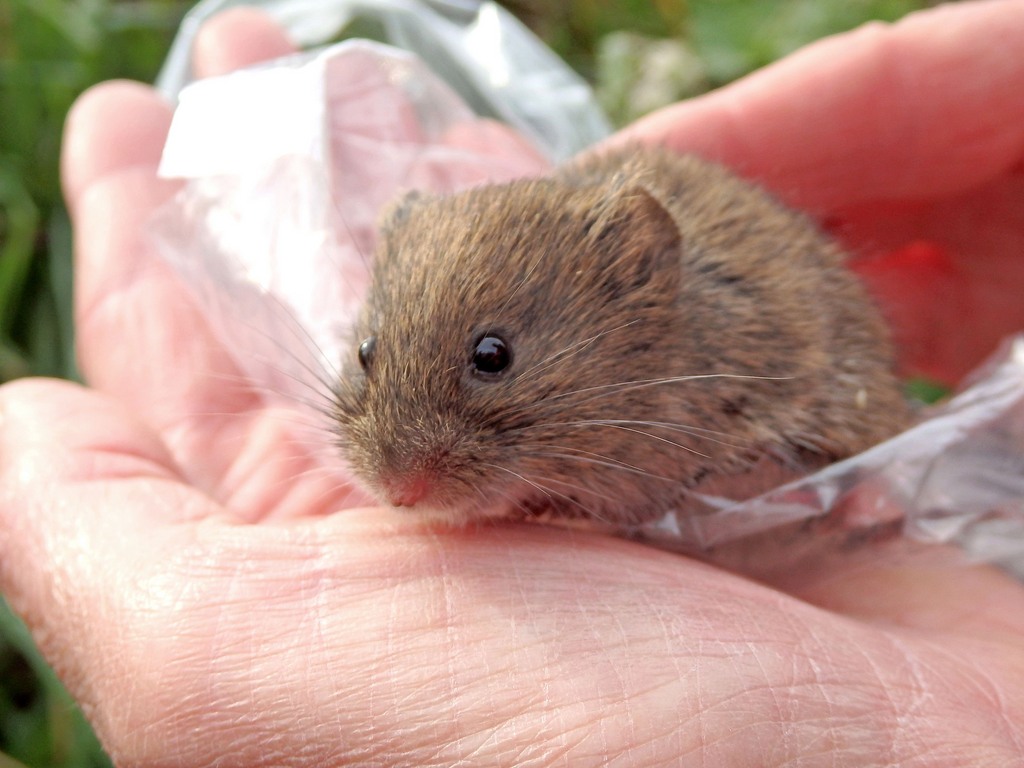
Over the two nights, 29 Wood Mice, 18 Bank Voles, 5 Field Voles and 3 Common Shrews were caught. After being weighed and sexed, all animals were safely returned, unharmed, to their point of capture.

A Field Vole just before release

A Field Vole just before release

A mouse is safely returned home

A mouse is safely returned home


To see the Harvest Mouse that was caught last year, please scan down to view the post from October 2013.

Summer Events

During the summer the Trust held and took part in a number of events…..


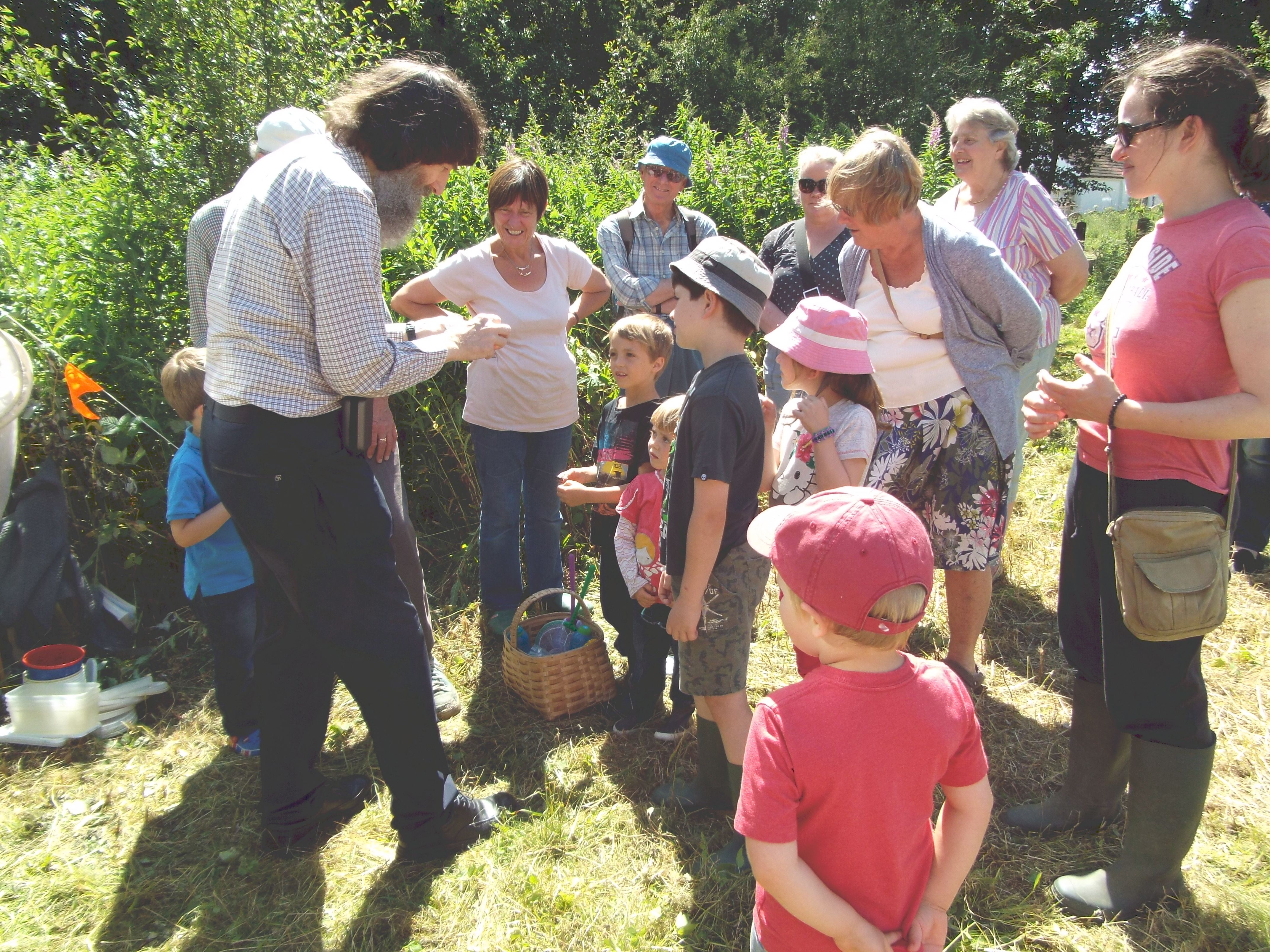
 Mini Beast afternoon with Teresa and Robert Marshall and the Pre School Toddler Group and  families

Mini Beast afternoon with Teresa and Robert Marshall and the Pre School Toddler Group and families


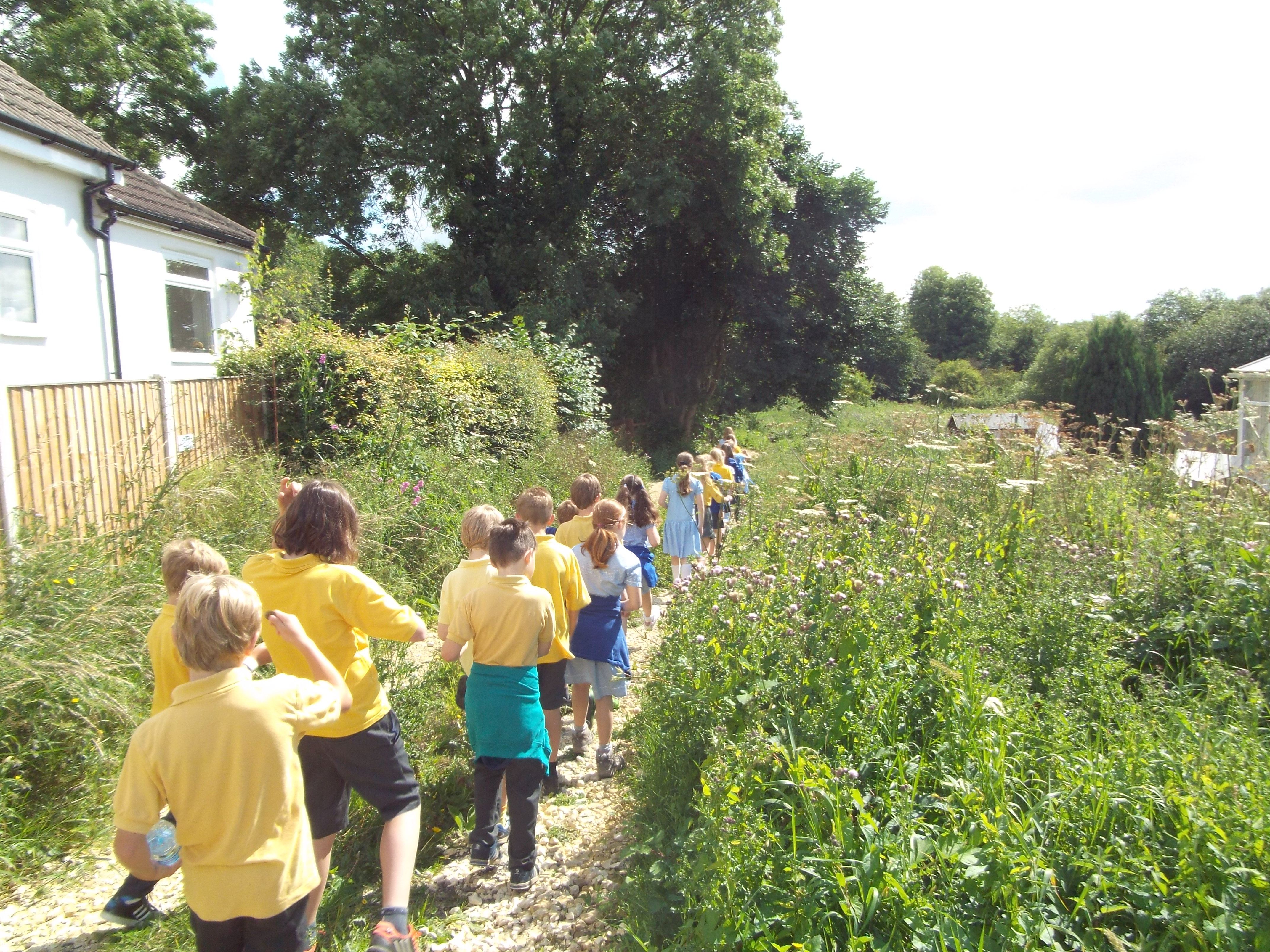
Bardsey School years 5 and 6 visit the Ellikers and Keswick Marsh as part of their investigations on "Going Green".

Bardsey School years 5 and 6 visit the Ellikers and Keswick Marsh as part of their investigations on “Going Green”.

Trust outing to Grass Wood nr. Grassington led by Bruce Brown of the  Grass Wood Volunteer Group.

Trust outing to Grass Wood near Grassington led by Bruce Brown of the Grass Wood Volunteer Group.

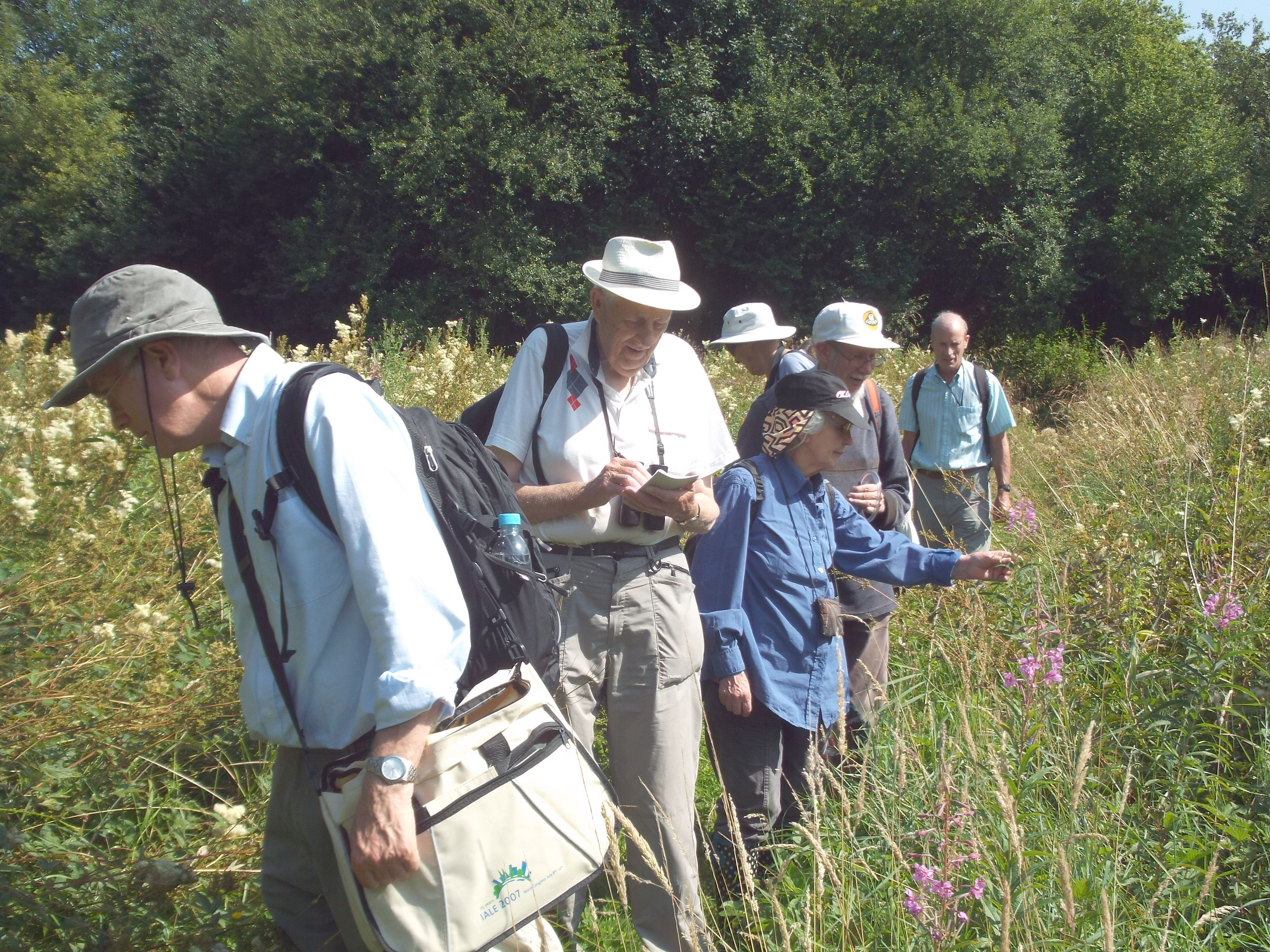
Leeds Naturalists have a guided visit to the Ellikers and Keswick Marsh.

Leeds Naturalists have a guided visit to the Ellikers and Keswick Marsh.

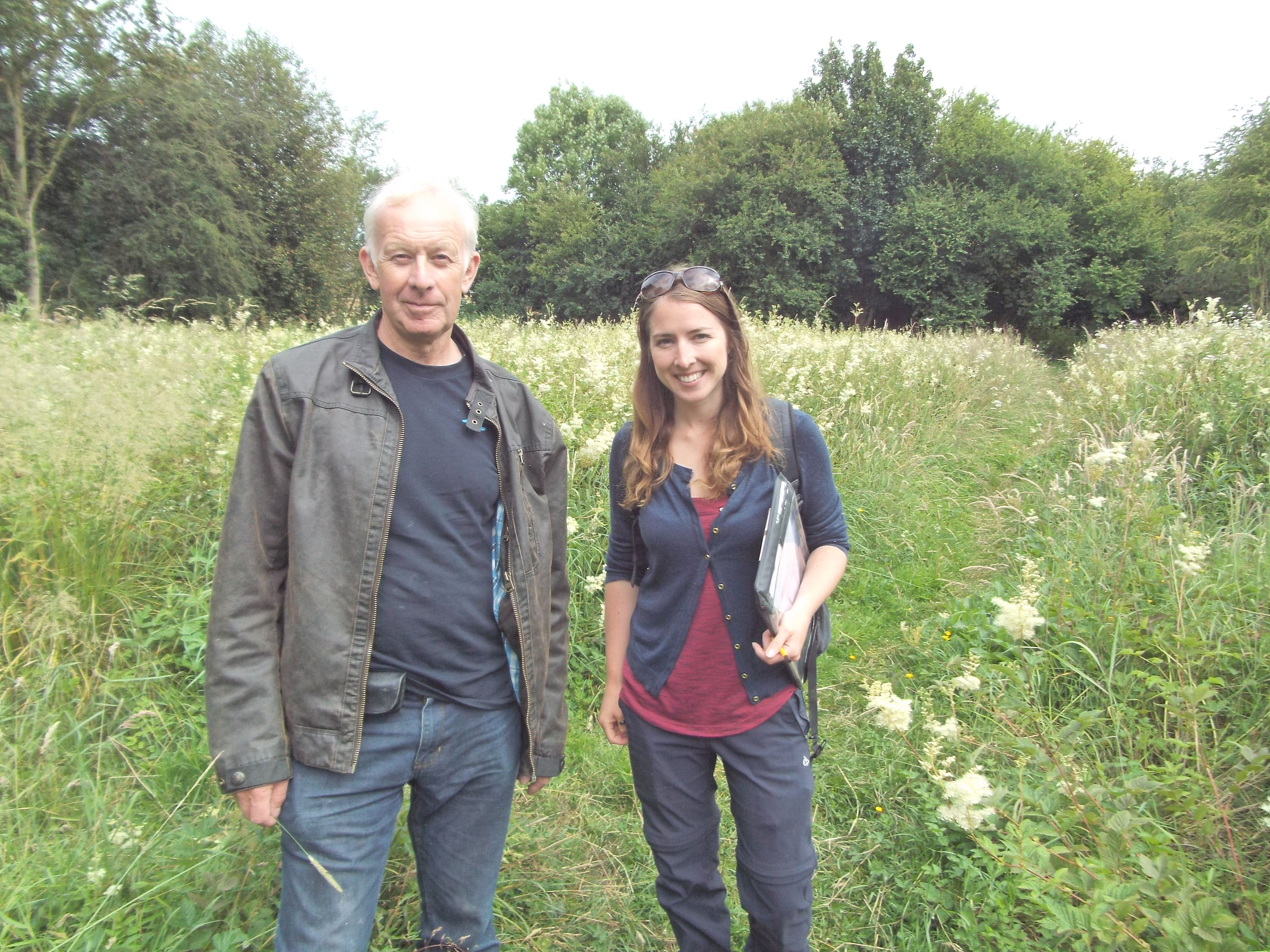
Jeanette Richardson from Natural England visits the Trust to oversee the Higher Level Stewardship agreement. agreement

Jeanette Richardson from Natural England visits the Trust to oversee the Higher Level Stewardship agreement.

Hedgehog Talk

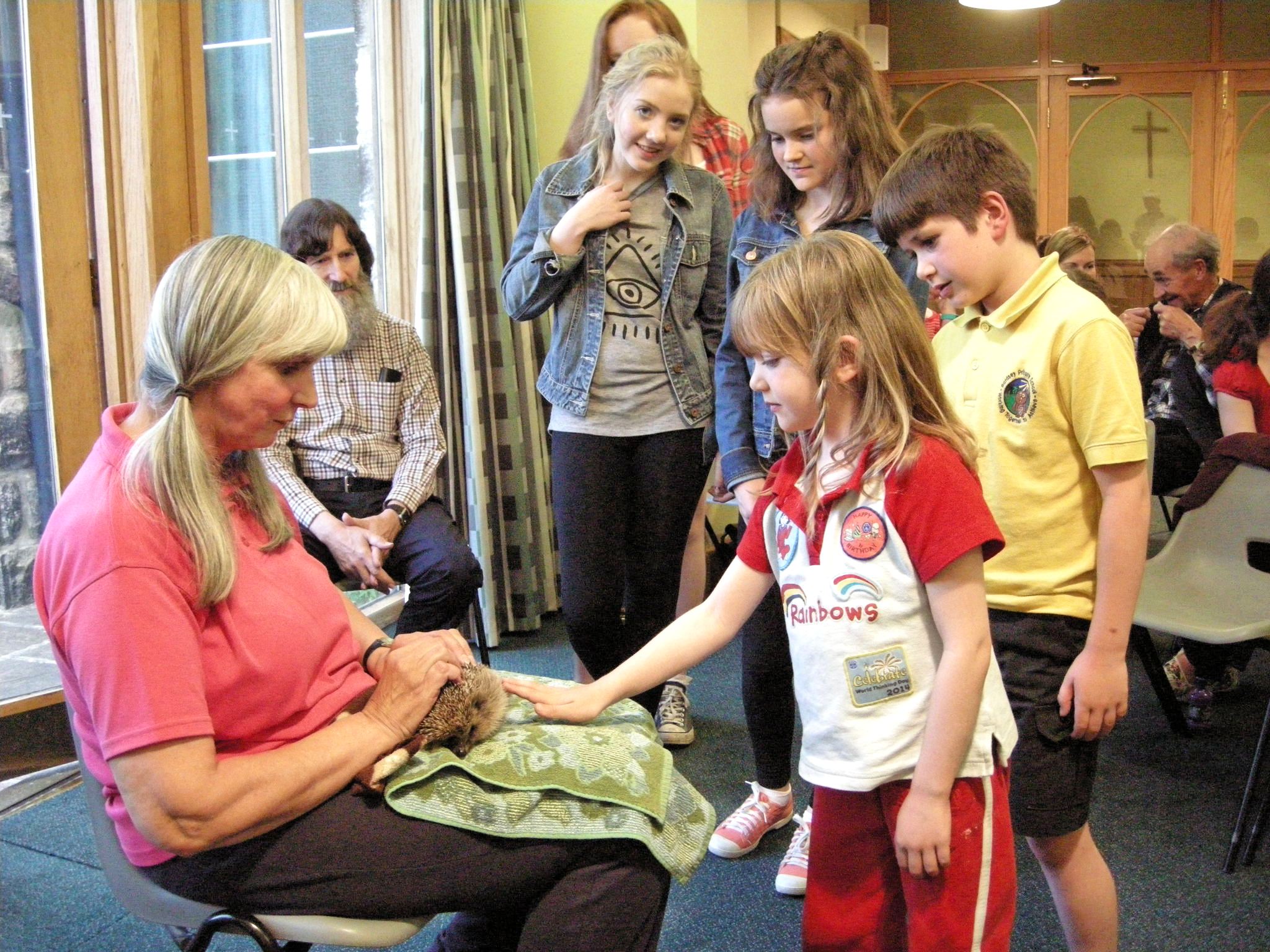
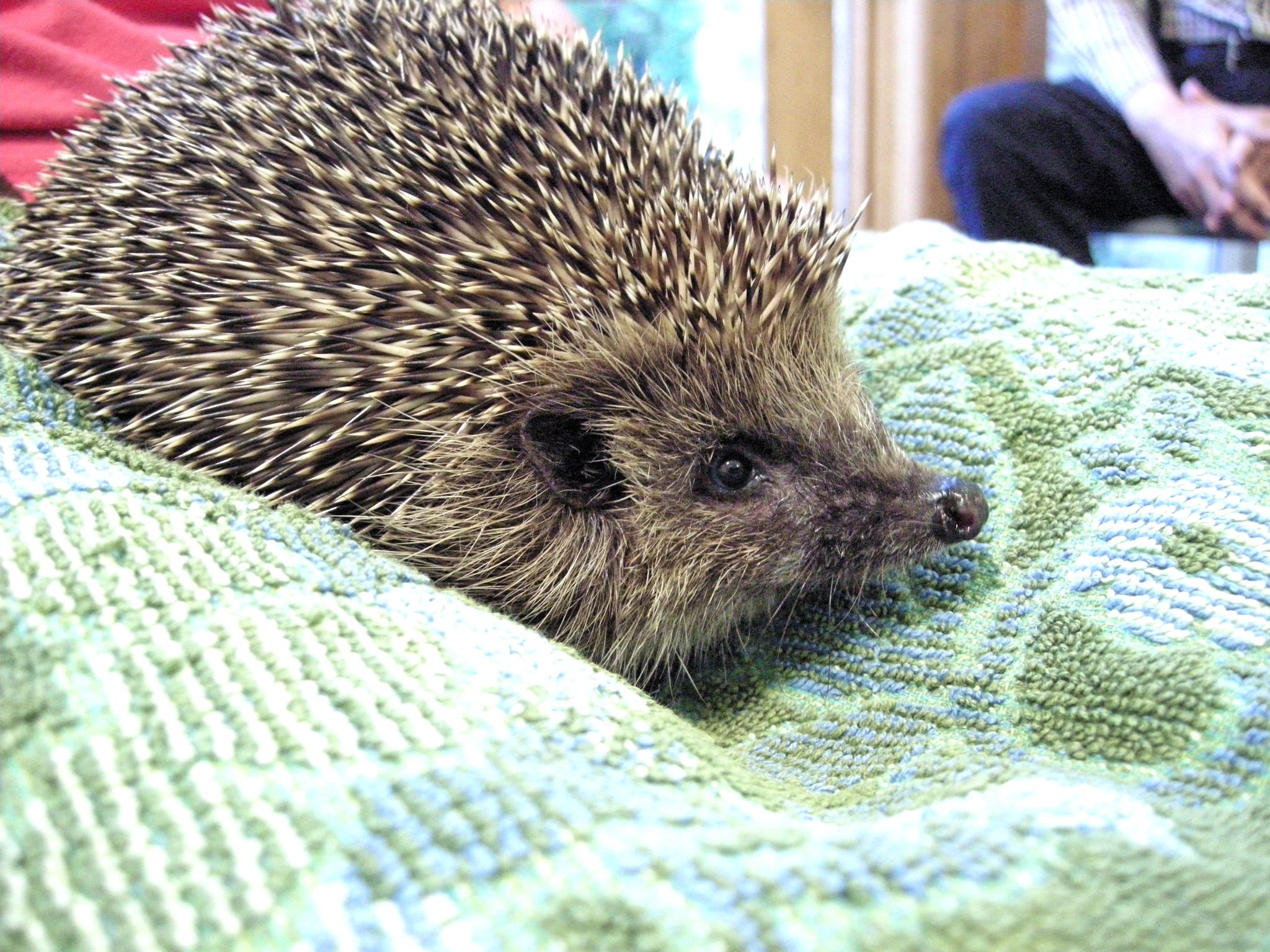
DSCN4942 Hedgehog talk_DxOOn Wednesday 21st May Teresa Marshall and her husband Robert gave an interesting and enlightening talk on Hedgehogs. They brought along a live animal for us to look at and there were photographic displays of their Hedgehog “Hogspital” and of the development of hedgehogs from hedgehoglet to adult.DSCN4944 Hedgehog talk_DxO

Hedgehogs numbers are in serious decline; down 35% in the last ten years. Although we see many hedgehogs squashed on the road, one of their biggest dangers is man with his strimmers, sprays and slug pellets. But the main reason for their decline is habitat loss and one of the best ways we can help hedgehogs is to leave wild areas in our gardens.

Robert and Teresa will be back in East Keswick on the 13th July when they will lead a Minibeast Event in the Elliker field where we hope to identify as many creepy crawlies as possible and to which everyone is invited.


Recent Activities

A lot has been happening over the last two weeks;

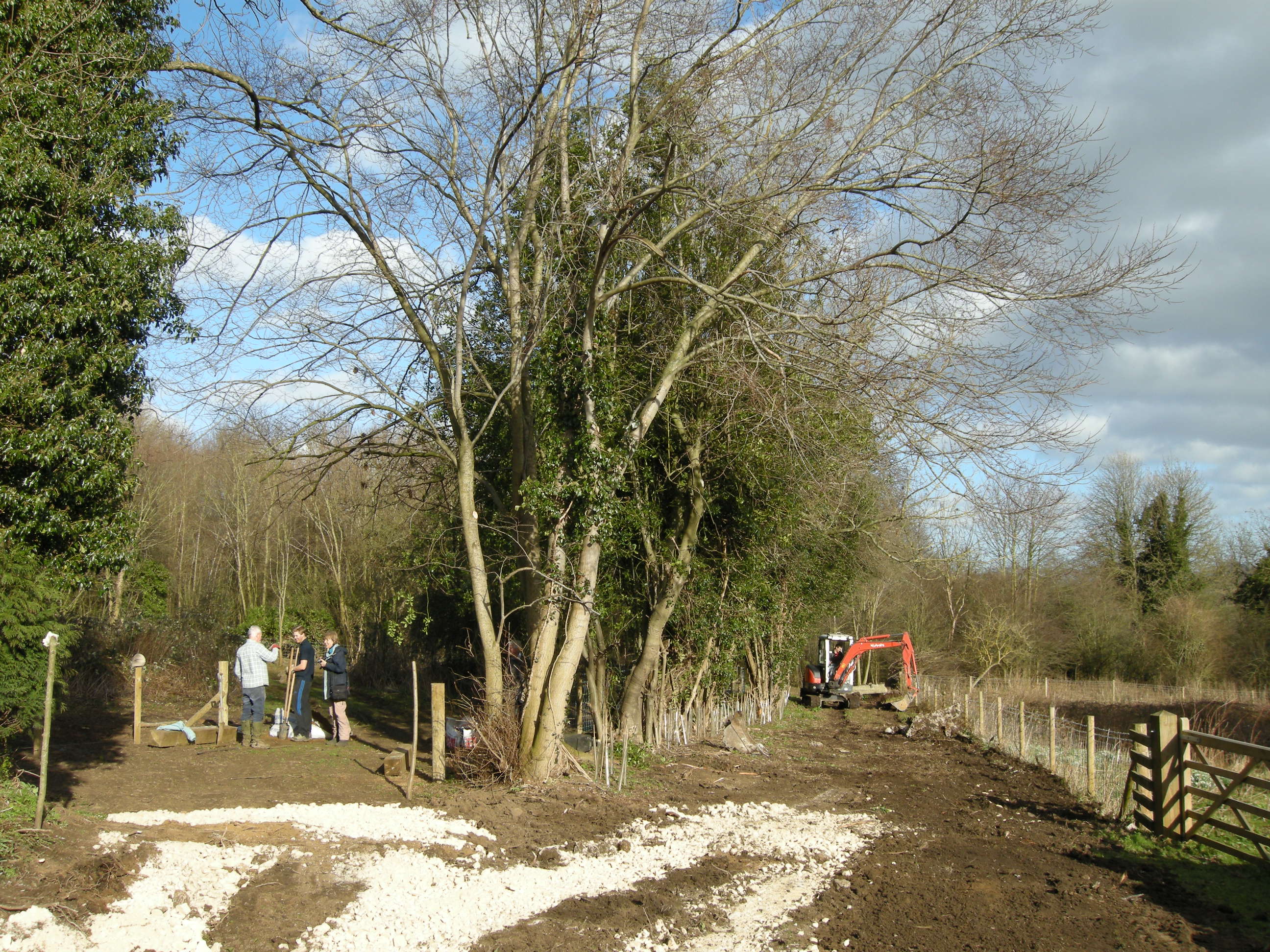
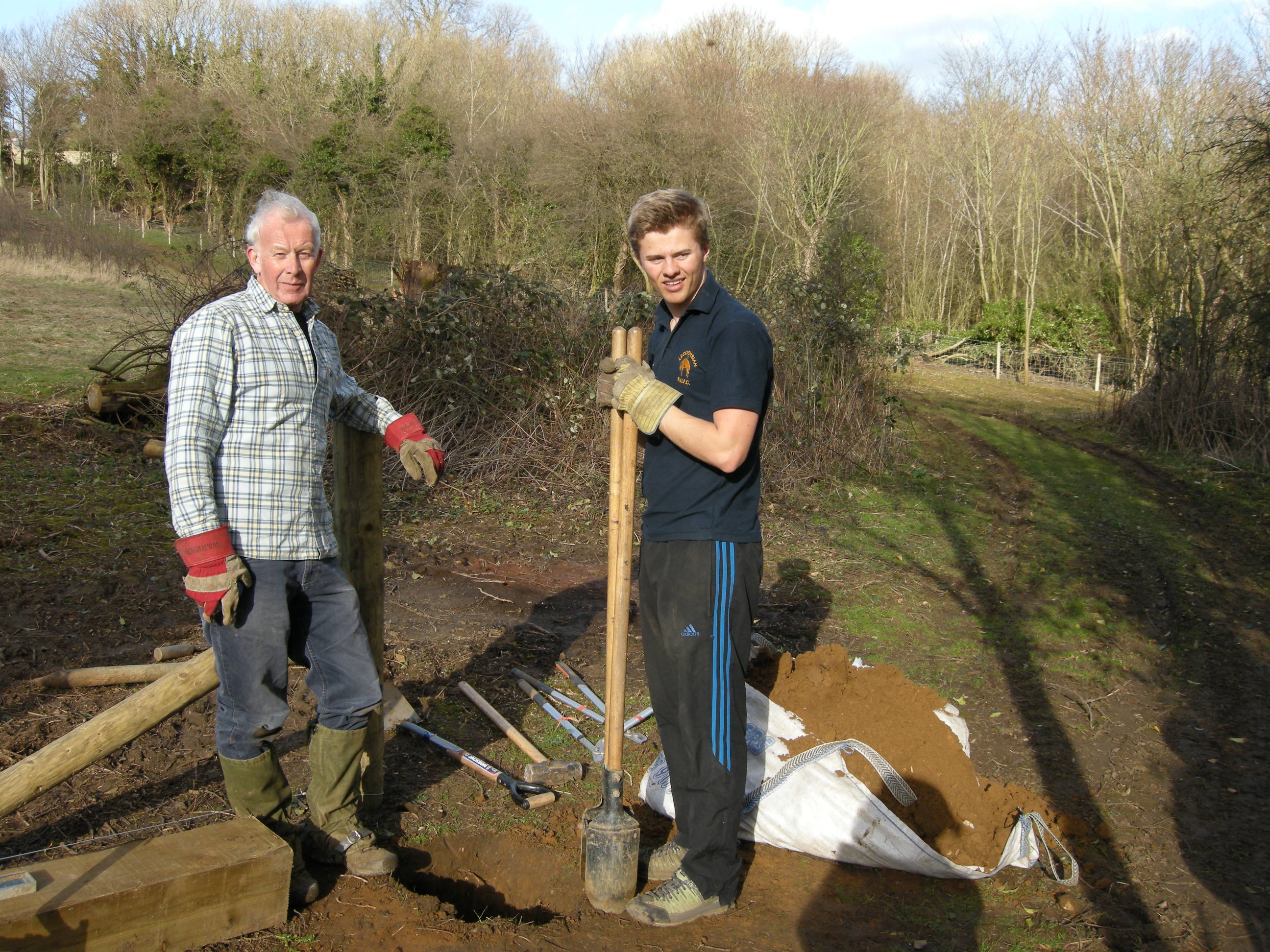
More work has been done to Ellikers; including boundary fencing and inserting entrance gateposts.

Work begins improving the entrance to The Ellikers
Work begins improving the entrance to The Ellikers

Ben as part of Leeds Grammar School's curriculum, volunteering to help installing entrance gateposts in the Ellikers.

Ben, from Leeds Grammar School volunteering as part of the school’s curriculum, helping to install entrance gateposts in the Ellikers.


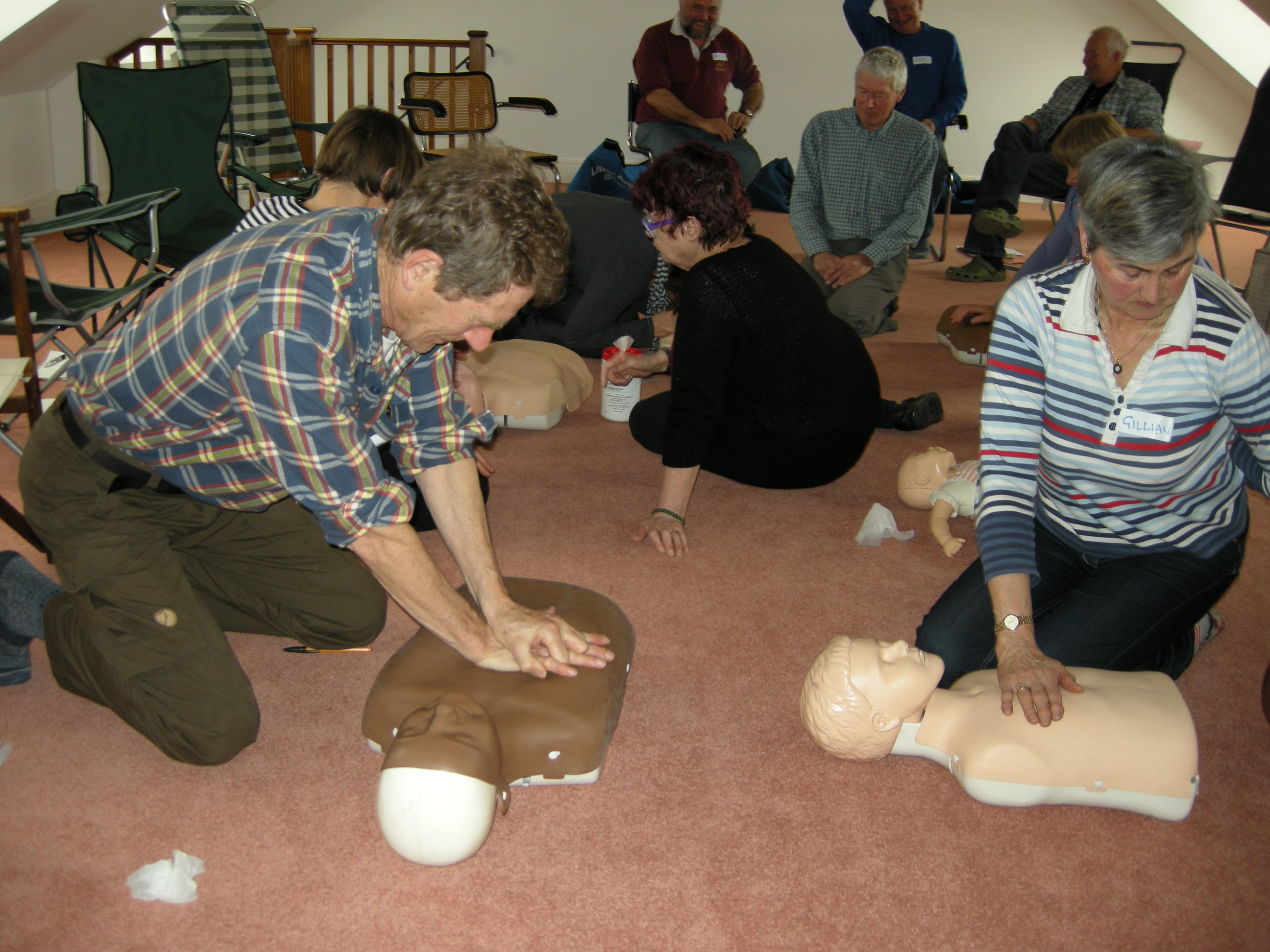
7th March. Members of the Friday work group attended a First Aid Course given by the St. John’s Ambulance.

Andy practising ressuscitation on his dummy.

Andy practicing resuscitation on his dummy.

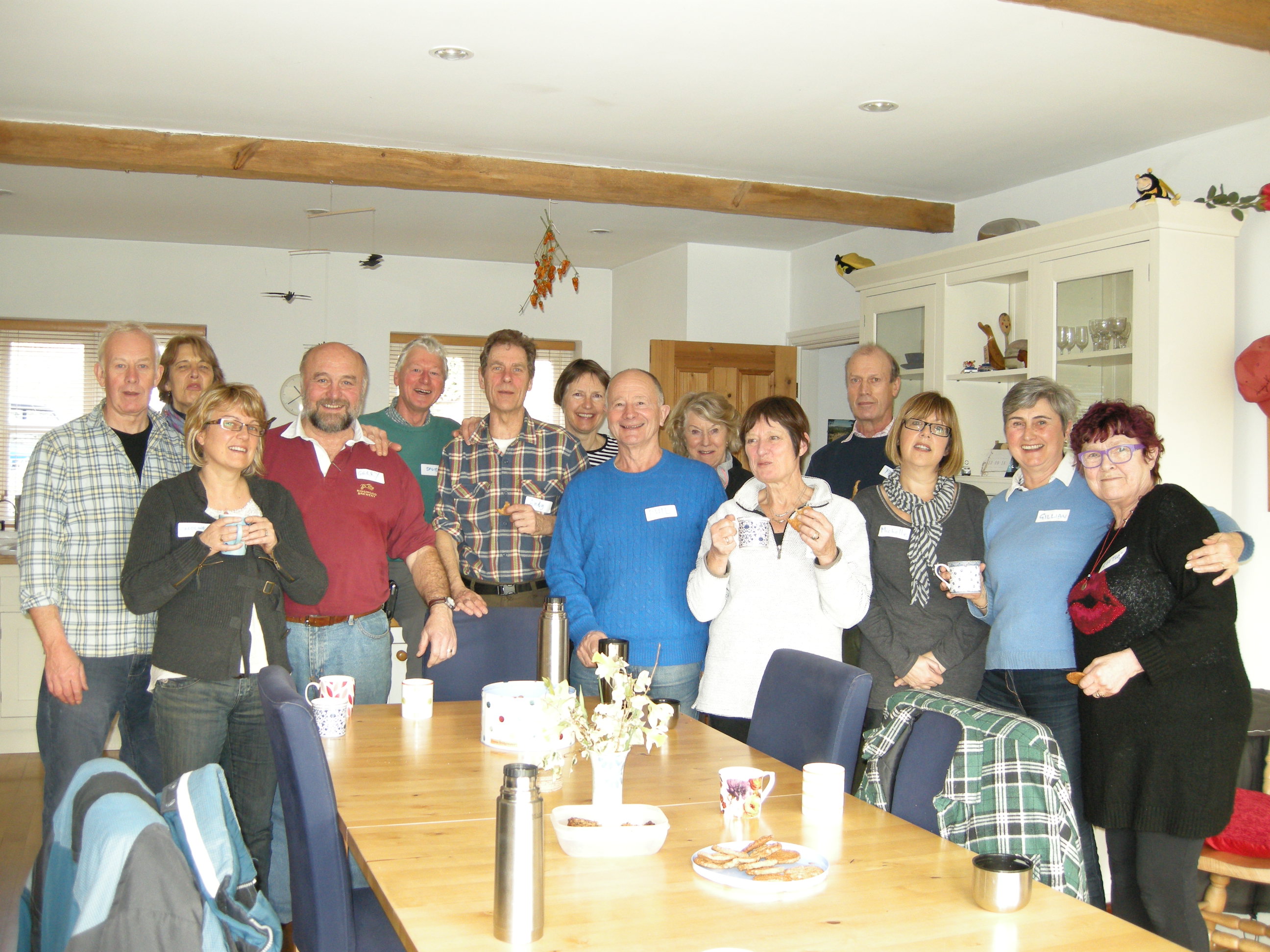
The Friday work group enjoying lunch during the First Aid Course.

The Friday work group enjoying lunch during the First Aid Course.

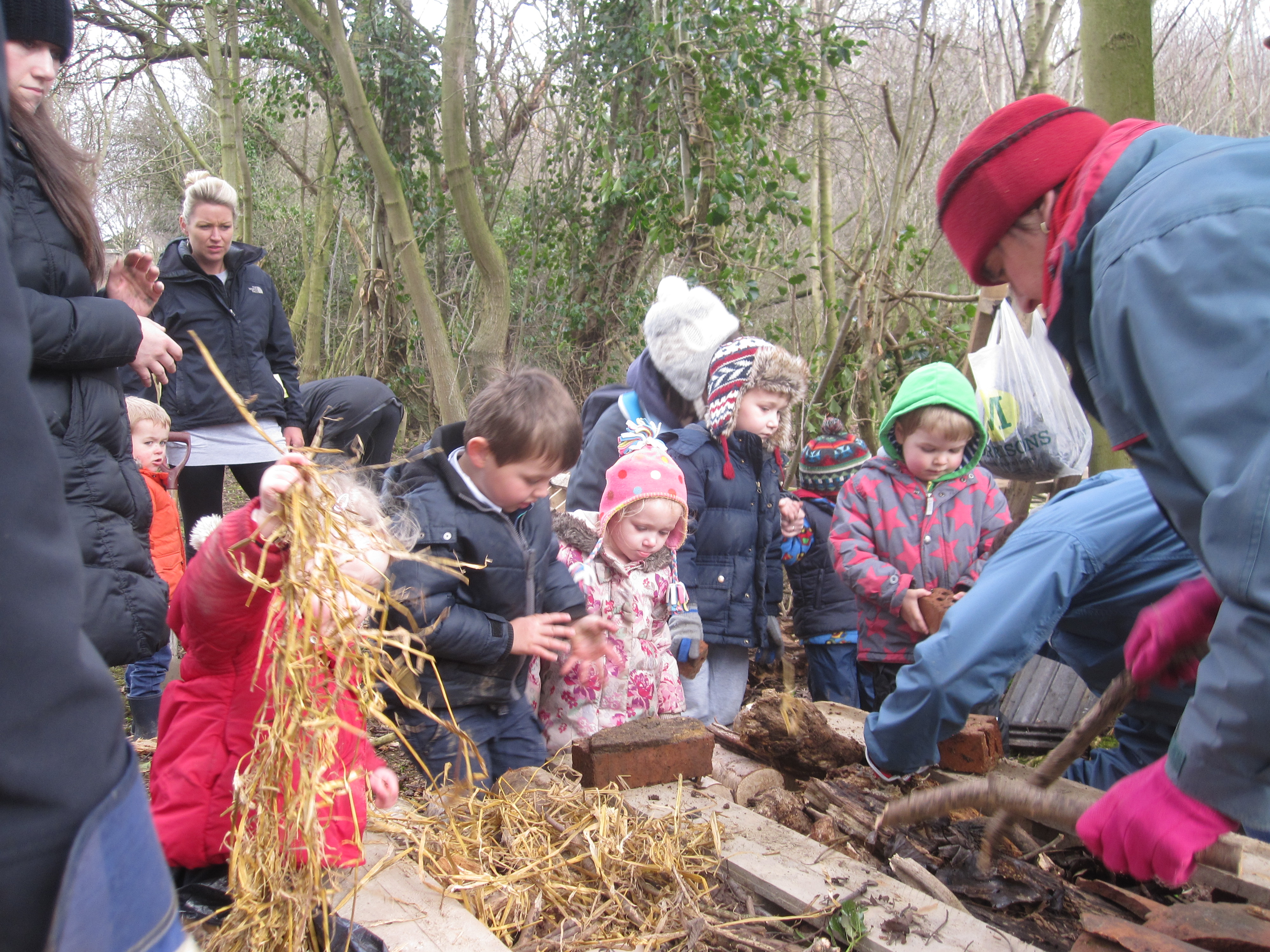
2nd March. Winter Work Party and Children’s Event. All the children helped to make a “Bug Hotel” for insects to find shelter, especially for hibernation. Constructed around a frame of old pallets, it used recycled materials, such as old bricks and tiles, and vegetable matter such as rotting wood and hollow plant stems. Everyone can help by setting aside a corner of the garden so that a small pile of such materials can be left for wildlife. About 50 people attended the event organised for the Pre School Toddler Group and families.

Starting the construction of the Bug Hotel.

Starting the construction of the Bug Hotel.

The Bug Hotel completed.

The Bug Hotel completed.
 

Living on the Verge

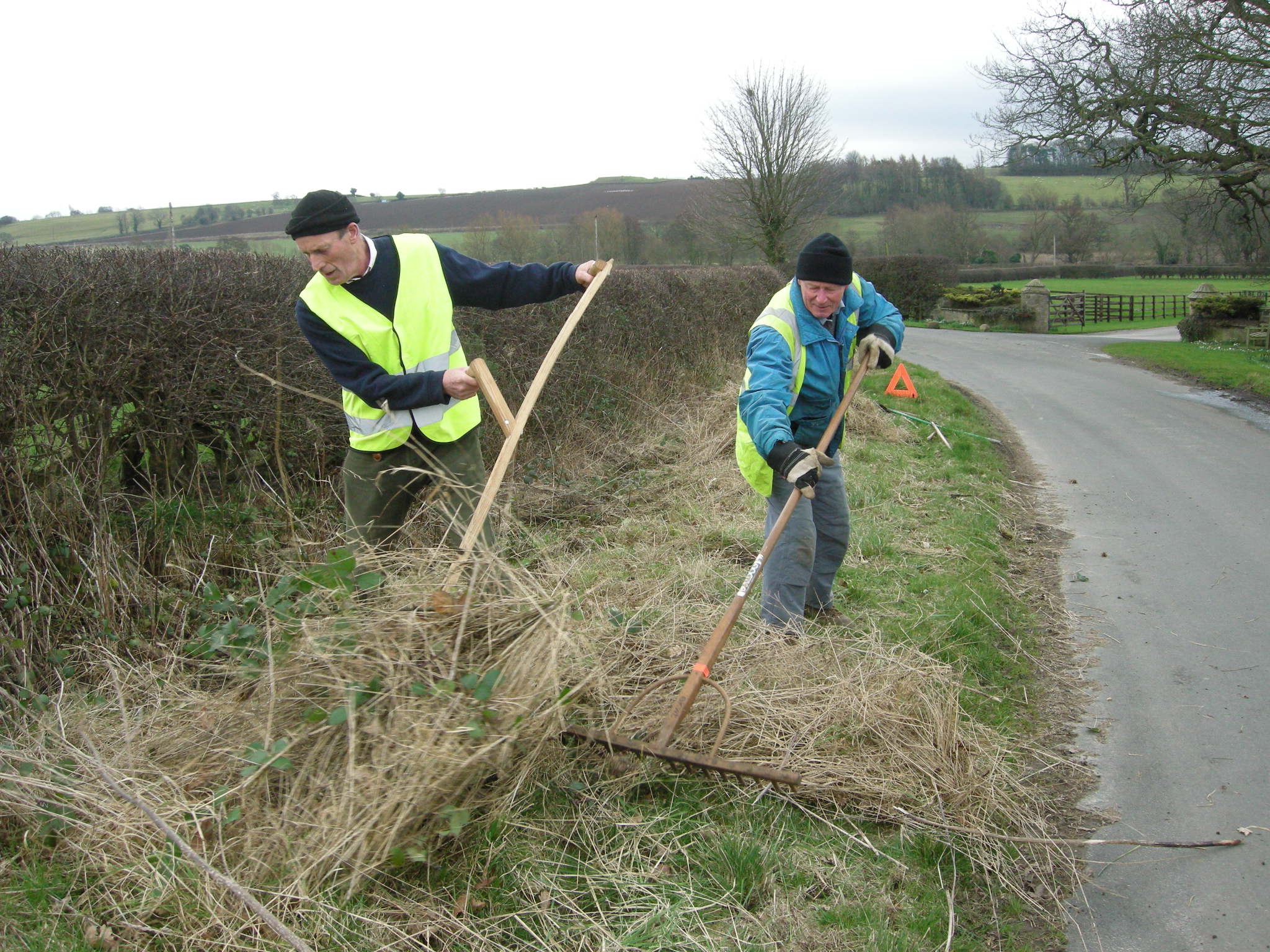
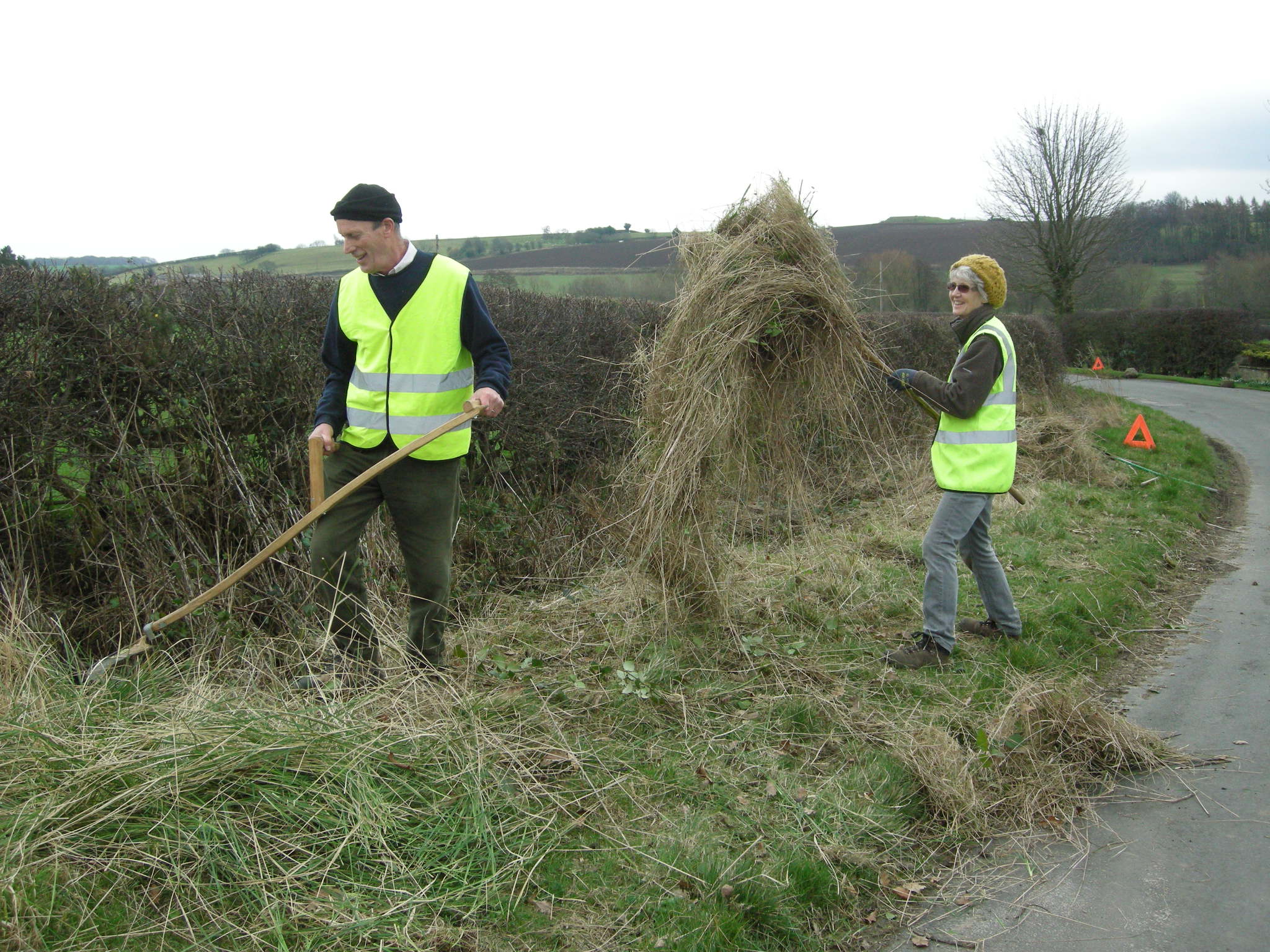
Having finally received the licence from Leeds City Council to “cultivate” our roadside verges, we decided, at short notice, to cut a small section of the grass verge along Moor Lane.

An important part of this management strategy is to remove all the cuttings. If left, the cuttings would rot down and fertilise the soil which encourages the more vigorous grasses to grow which swamps any wild flower growth. Denuding the soil of nutrients favours the growth of the colourful wild flowers that used to be a part of our countryside landscape.

Cutting and raking the long, dead grasses along Moor Lane.

Cutting and raking the long, dead grasses along Moor Lane.


Even though few cars were encountered, safety is a priority with roadside signs and fluorescent jackets.

Even though few cars were encountered, safety is a priority with roadside signs and fluorescent jackets.